An upstairs that runs hot
If the bedrooms upstairs stay warm well into the evening, attic air is often finding its way down through gaps, and sealing them gives your insulation a fair chance to work.
Drafty rooms or a hot upstairs usually start with gaps in the attic floor. We seal them first, so your insulation can do its job.
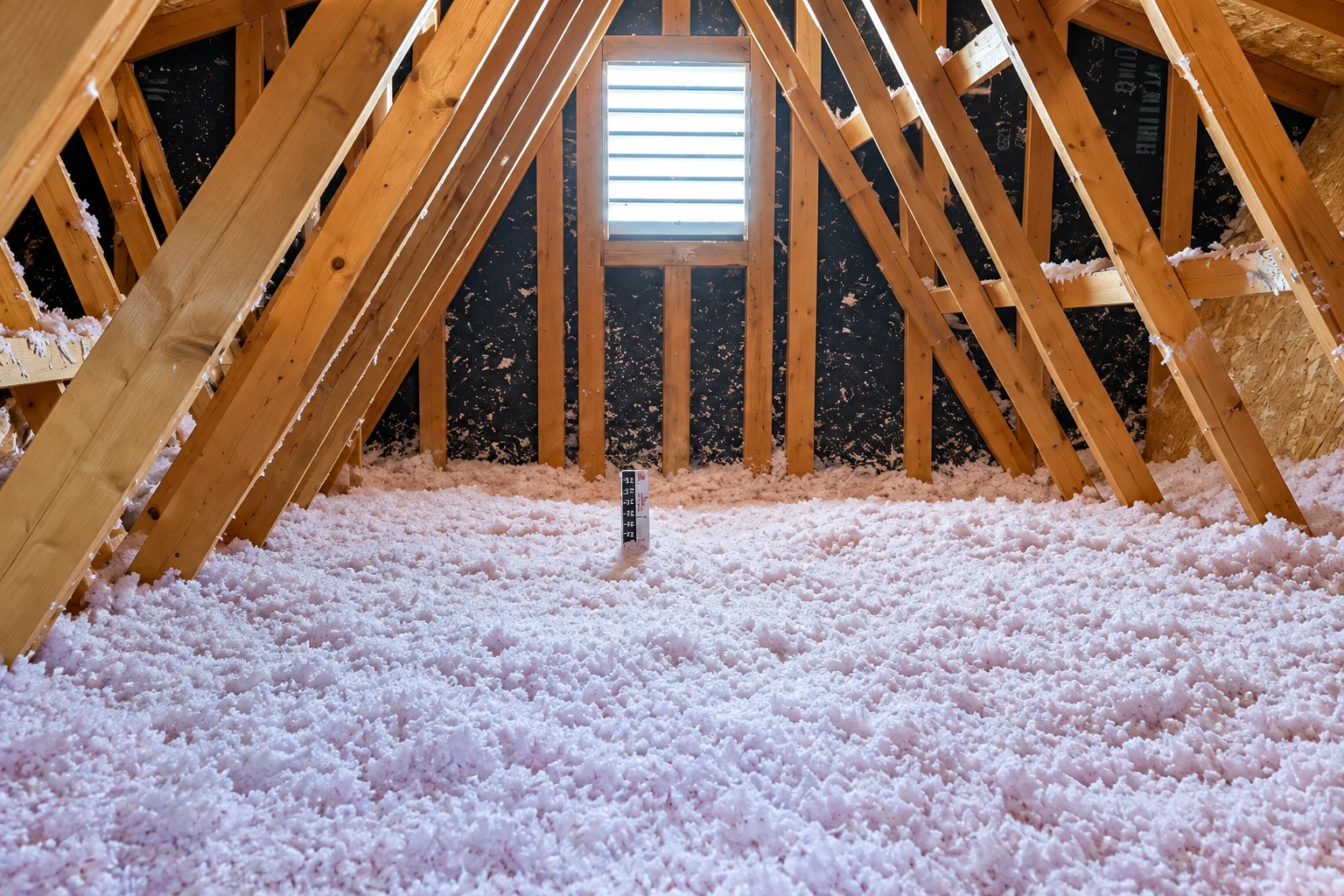
Attic air sealing in South Pasadena means closing the gaps in your attic floor around ceiling lights, pipes, wires and the hatch, so the air you pay to heat or cool stays in the rooms below. At E&J South Pasadena Spray Foam Insulation, we do it before any insulation goes back on top.
The price mostly turns on how much of the attic floor we can reach, how much old insulation has to be moved aside and put back, and how many openings there are. An older house with lots of can lights and wire runs simply has more to close. The schedule usually depends on what the attic needs first, because new work on top of a leaking roof or old wiring just wastes your money. I look at the space and put the work in writing, so you know what you're paying for before anyone climbs up there.
We're based in South Pasadena and work in Pasadena, Alhambra, Glendale and the cities around them. Here in South Pasadena, construction generally runs 8:00 a.m. to 7:00 p.m. on weekdays and 9:00 a.m. to 7:00 p.m. on Saturday, with 10:00 a.m. to 6:00 p.m. on Sundays and city holidays and different rules in Southwest Monterey Hills, so we book attic days inside those hours. The city checks that your contractor has a valid state license and any required workers' compensation insurance, and the state licensing board issues the C-2 insulation license that covers installing insulation. We're licensed and insured, and our work is backed by our satisfaction guarantee.
I come out myself and look hard at your attic before we talk about sealant, foam or anything else, because the right fix depends on what's actually up there.
If I find something that should be fixed first, I'll tell you at the estimate. Sealing over a problem only hides it, and I'd rather you hear it early than be surprised later.
Our install crew does the work, and I walk the finished attic with you before we call it done, so you can see what was sealed and where the insulation went.
We start with the safety and ventilation checks, looking at fuel-burning equipment, bath fans, wiring and the vents, because sealing changes how air moves through the house and that has to be safe before anything gets closed. Then we move the old insulation aside where we need to reach the gaps, seal around the can lights, pipes, wires, the hatch and the tops of the walls, and put the insulation back where it belongs. We fill the edges as well as the middle, since thin coverage near the eaves is one of the most common misses. If the old material is soaked or full of droppings, I'll tell you it shouldn't go back at all.
The attic's intended vents at the eaves, the ridge and the gable ends stay clear when we're done, and I'm glad to show you that they do. A buried eave vent stops the attic from breathing, and the moisture tends to show up in the framing later.
If you're also weighing spray foam insulation, it costs more and seals air while it insulates. For most attics I'd rather seal the gaps and top up the loose fill, because that does the job for less, unless your ductwork runs through the attic, in which case foam can earn its price. When the insulation up there is thin or worn, sealing is the natural first step of a retrofit insulation job, so the new material goes onto a tight floor.
If the bedrooms upstairs stay warm well into the evening, attic air is often finding its way down through gaps, and sealing them gives your insulation a fair chance to work.
Rooms over a garage are often drafty and hard to keep comfortable. The leaks where that ceiling meets the walls and the attic are usually where we find the cause.
If you're planning to top up the attic, seal first. Blown-in insulation, which is loose fill sent through a hose, lets air slip straight through it when the gaps underneath stay open.
When the bill keeps rising and the house still feels drafty, leaks through the attic floor are one of the first places I look, because they're common and often easy to miss.
Send the form and we'll reply within one business day to set a time for me to look at your attic. The estimate is free, done on site and comes with no obligation.
If you know of vermiculite insulation, a bath fan venting into the attic or a roof leak, mention it in the form, because those come first and change the plan.
I put the scope in writing so you can compare it fairly against other bids and understand exactly what you're paying for before any work begins.
Each city around South Pasadena has its own building office and rules, so we check them for the city your home is in rather than assuming they're all the same.
These photos show sealed attic floors, loose fill, foam and clear eave vents, the kinds of finishes and layouts we can talk through at your estimate.
Here are the questions South Pasadena homeowners usually ask before booking attic air sealing, answered the way I'd answer them in your driveway.
Attic air sealing in the Los Angeles area usually costs about $350 to $2,300 per job. A small attic that's easy to reach tends toward the low end, and a larger or older attic with many openings and a lot of insulation to move tends toward the high end. I'll give you a written figure once I've seen yours.
Yes. In an existing vented attic, the gaps get sealed first and the insulation goes on after, and that order gets you the most energy savings. Once insulation covers the gaps, they're hard to find and harder to reach, so sealing afterward usually means pulling it all back up again.
A roof leak, active knob and tube wiring, which is the old cloth-covered kind, vermiculite insulation, bath fans that vent into the attic, or an unvented kerosene heater or gas fireplace should be dealt with first. The EPA says to assume vermiculite may contain asbestos and to leave it undisturbed. I'll point out anything I see at the estimate so you can plan those fixes.
The city's Building Division issues permits for alterations to buildings, and it inspects the properties that hold them. Its permit list names insulation but not attic air sealing, so the Building Division is the place to ask about your job. When a permit is needed, we take care of the application and set up the inspection.
Usually not, because nearly all the work happens up in the attic and we cover the path to the hatch. If part of your job uses spray foam, the re-entry time, which is the wait before you, the kids and pets come back into that space, follows the foam maker's instructions. I'll tell you at the estimate whether that applies.
We take calls into the evening and on weekends, so call (626) 597-0202 or use the form whenever it suits your day.