Spray foam insulation
We spray foam on rooflines, rim joists and the walls of rooms over garages, where it fills odd framing and stops the drafts that batts and loose fill leave behind.
E&J South Pasadena Spray Foam Insulation is an insulation contractor based in South Pasadena, CA. In San Marino, we insulate and air seal attics, crawl spaces and walls, and clear out old insulation when it's spoiled.
San Marino's houses tend to be older and roomy. When I climb into an attic here, I usually find insulation that has been added to over the years, has settled thin at the edges and is sometimes fouled by rodents. Many of these houses also have ductwork in the attic and a raised floor over a crawl space, and both change what I'd recommend.
The price depends mostly on what's already up there. That means how many inches you have, whether the old material has to come out first, how many gaps need sealing and whether foam or loose fill suits the space. The schedule depends mainly on removal and on any permit the job needs. I look at the space first and put the work in writing, so you'll have your own figure before anyone starts.
Each city has its own building office and rules, so we check San Marino's for your job before we schedule anything. The city also requires a business working here to hold a San Marino business license that's renewed every year, and a contractor's application lists their state license, so it's fair to ask anyone you're comparing about theirs. We do the same work just over the line in Pasadena and Alhambra, and a little farther south in Monterey Park.
If the roof leaks or the wiring up there is old, I'll tell you to have it fixed first, because new insulation over either problem just wastes your money.
Foam costs more but seals air while it insulates. In most attics I'd rather air seal, closing every gap first, then top up loose fill, unless your ductwork lives up there.
When we add insulation, we keep the eave vents clear, because a buried vent stops the attic from breathing and moisture starts showing up in the framing.
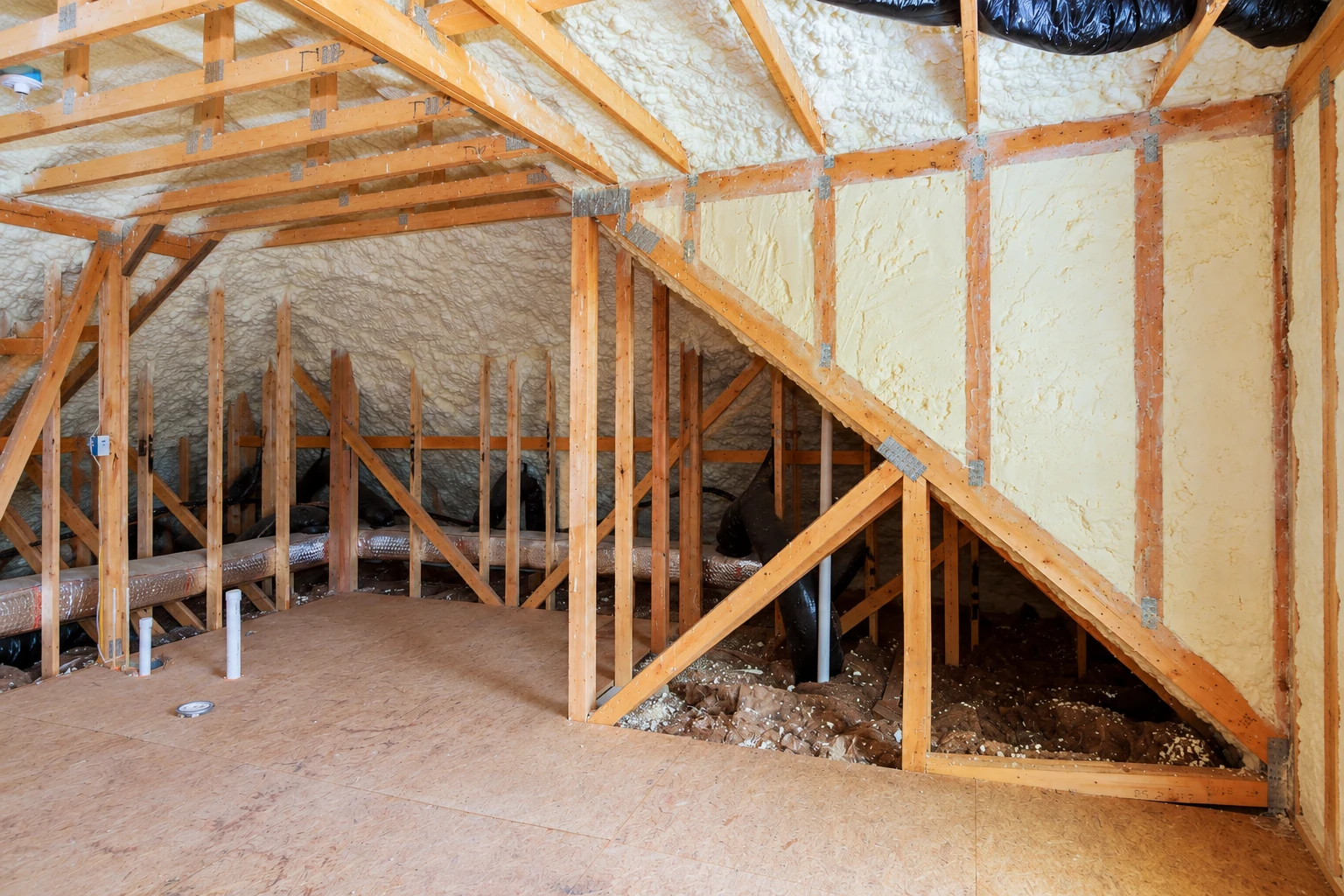
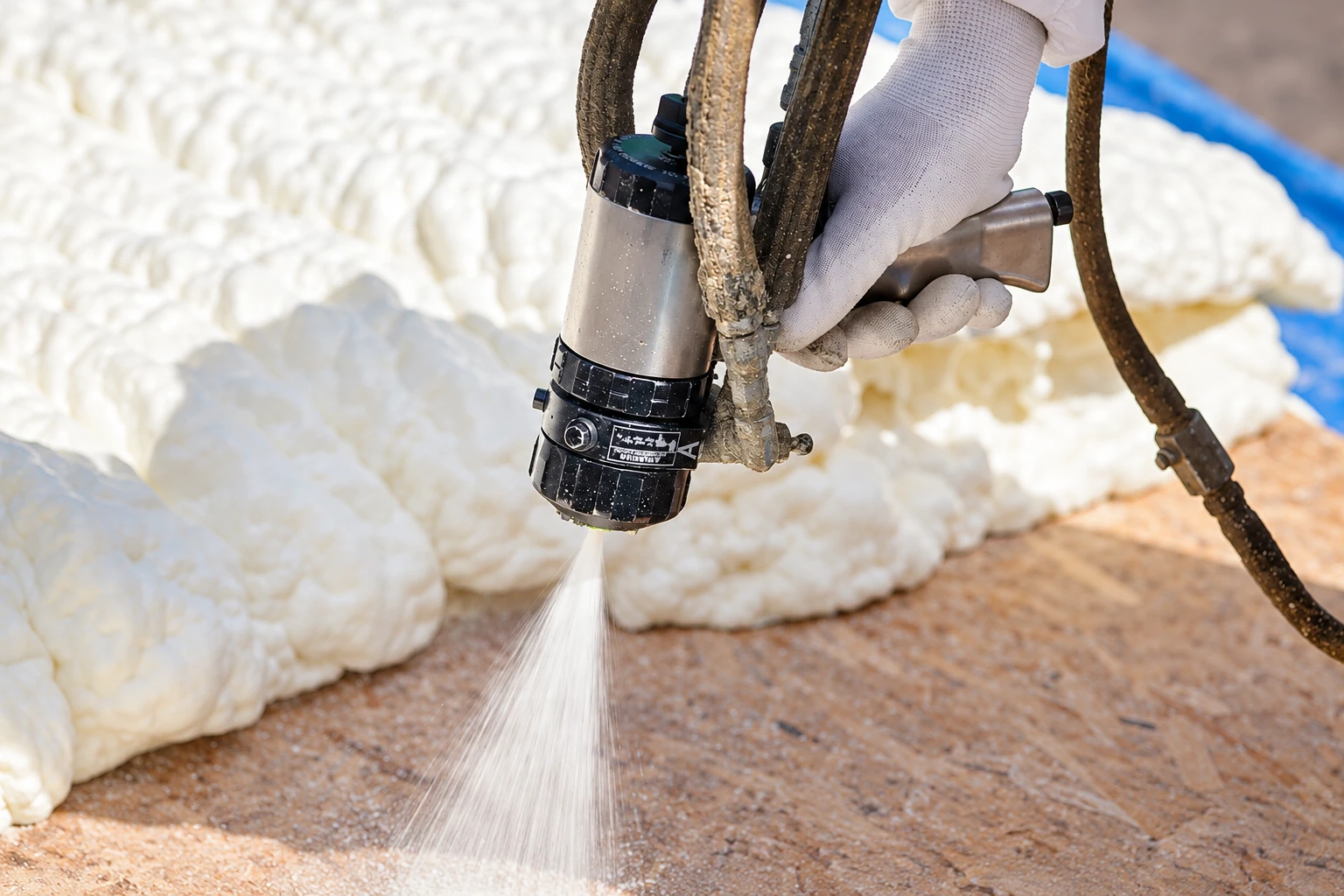
We spray foam on rooflines, rim joists and the walls of rooms over garages, where it fills odd framing and stops the drafts that batts and loose fill leave behind.
Before we add anything, I check how many inches are already up there and whether the old material is clean. Then we bring the whole attic up evenly, edges included.
Blown-in insulation, loose fill blown through a hose, works its way around the crowded joists and wiring in older attics, and we put baffles at the eave vents first.
When a house runs hot upstairs and cold downstairs, I look at the attic, walls and floors together, then tell you which one to fix first for your money.
When old insulation is soaked, flattened or full of droppings, we vacuum it out and clean the attic before anything new goes in, because covering it over keeps the problem.
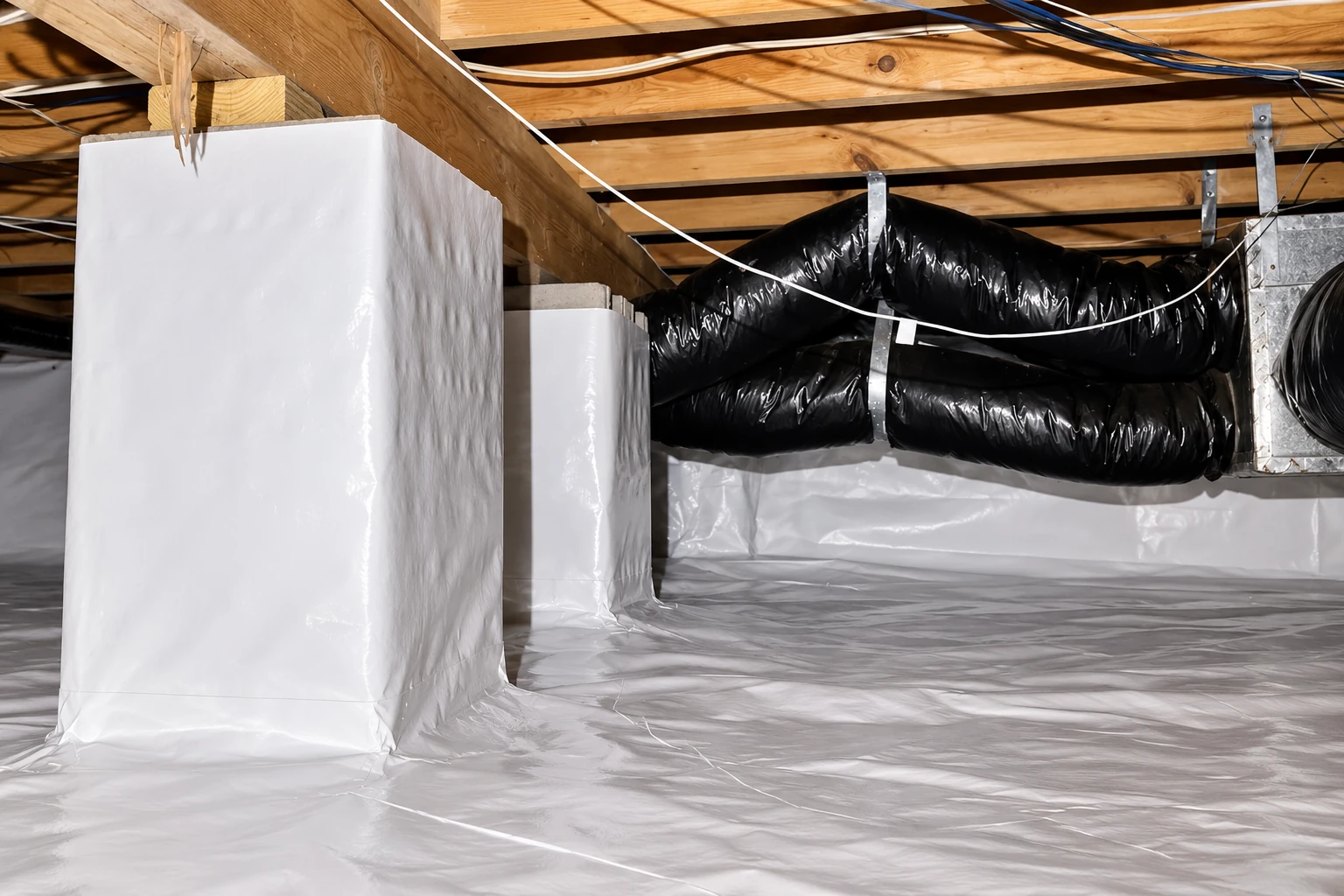
Raised floors over a crawl space are a common cause of cold floors in older houses, so we insulate under the floor and keep the material clear of the dirt.
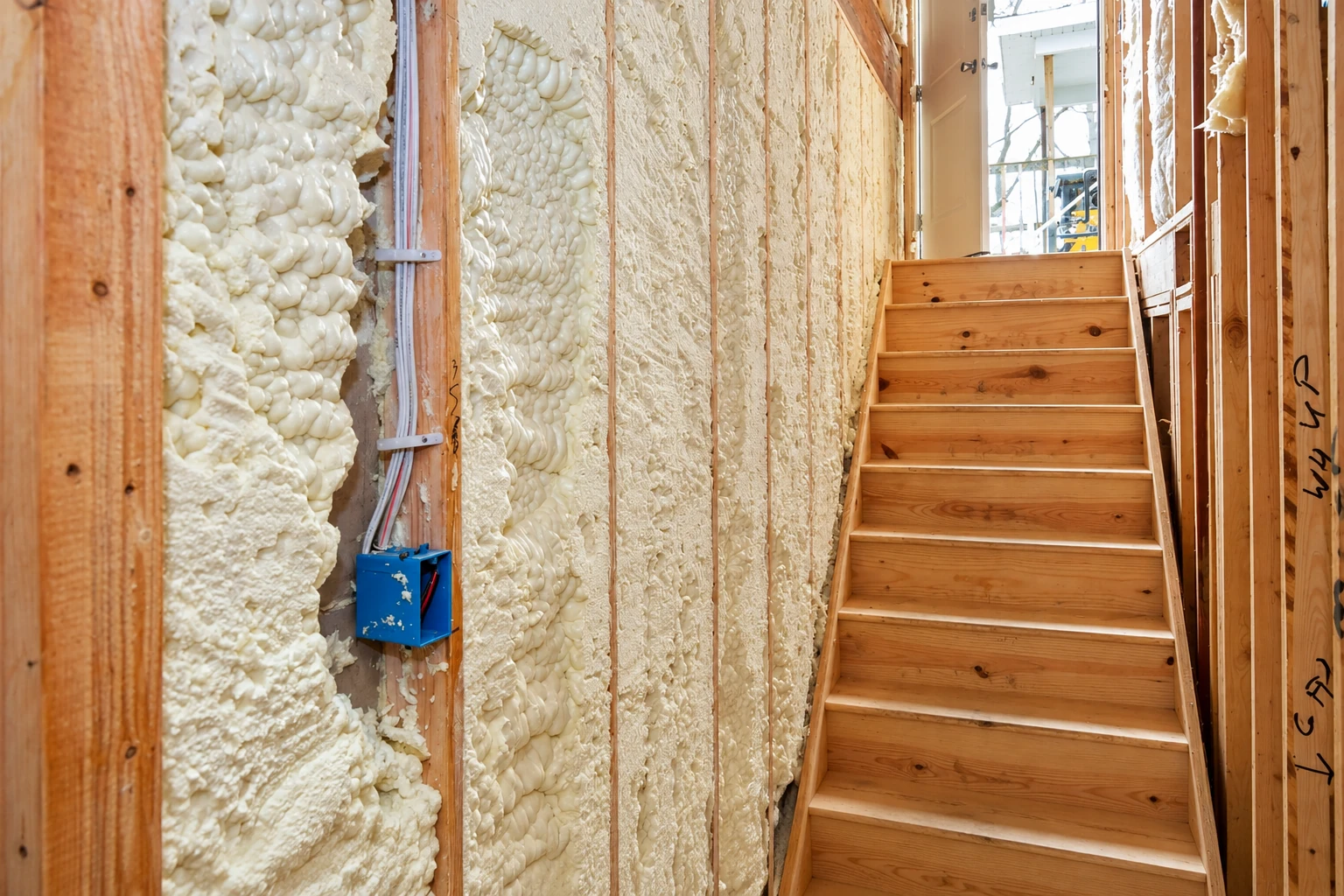
Older walls are often empty or barely filled, so we insulate them through small openings, from inside or out, and patch those openings neatly when we're done.
We seal leaks through the whole house, around pipes and wires under sinks, at the crawl space and where the walls meet the foundation, so outside air stops finding its way in.
Where a house has a basement, we insulate the rim joist and walls with material that handles the damp below ground, so the floor above stops feeling cold.
Closed-cell foam is dense foam that blocks moisture, so we use it on rim joists, crawl space walls and other spots where damp air would soak into softer insulation.
Open-cell foam is softer and lighter than closed-cell and fills rooflines and wall cavities well, so it fits when you want the space sealed and moisture isn't the worry.
For offices and small buildings, including those property managers look after, we bring the order I learned on commercial crews and plan the work around tenants and business hours.
A crawl space vapor barrier is a heavy plastic sheet laid over the dirt and taped at the seams, so ground moisture stops rising into the floor framing above it.
We install vapor barriers where moisture would otherwise move into insulation or framing, and I'll tell you on site which side one belongs on, since a misplaced barrier traps damp.
In the attic we seal the hatch, the tops of interior walls and the holes around can lights and flues, which is usually where the upstairs drafts come from.
Retrofit insulation means adding insulation to a finished house, which covers most older homes, so we work through attics, crawl spaces and small wall openings without tearing rooms apart.
Send the form and we'll reply within one business day to set a time. I'll look at the space and give you a free written estimate, and there's no obligation to go ahead.
I come out myself to see the attic or crawl space and write the estimate. Our install crew does the work, and I walk the finished job with you before we call it done.
The estimate says what we'll remove, seal and add, and where, so you understand what you're paying for and can compare it fairly with another contractor's.
We're licensed and insured, and our work is backed by our satisfaction guarantee. We've done homes since 2023, after the years I spent on commercial insulation crews.
Here are straight answers on permits, licenses and doing your own attic, before you hire anyone for insulation work in San Marino.
It can need one, and the city decides that for each job. The Community Development Director is San Marino's Building Official, and the Planning and Building Department keeps the city's Building Code available for anyone to examine. When your job needs a permit, we take care of the application and set up the inspection.
Under California Contractors State License Board rules, you need a licensed contractor when the job needs a building permit, uses employee labor or comes to $1,000 or more across all its contracts. A bigger job can't be split into smaller contracts to stay under that amount. Our install crew does the work, so every job we take is done under a contractor's license.
Usually yes, if it's the house you live in. The state exempts homeowners improving their principal residence if they've lived there for the 12 months before the work is finished, finish it before any sale and have used the exemption on no more than two structures in three years. That covers the license only, so check with the city about a permit.
These are the cities with their own page on our site, but we work in other cities around South Pasadena too. If yours isn't listed, call or send the form and ask.
Call (626) 597-0202 any day until 11 PM, or send the form, and we'll set a time to look at your attic.