
Drafty rooms on outside walls
If one room stays cold all winter and its outside wall feels chilly to the touch, the cavity behind it is often empty or settled, and filling it is usually where we start.
If your outside walls feel cold and the rooms stay drafty, we fill them through small holes and patch them, without tearing anything out.
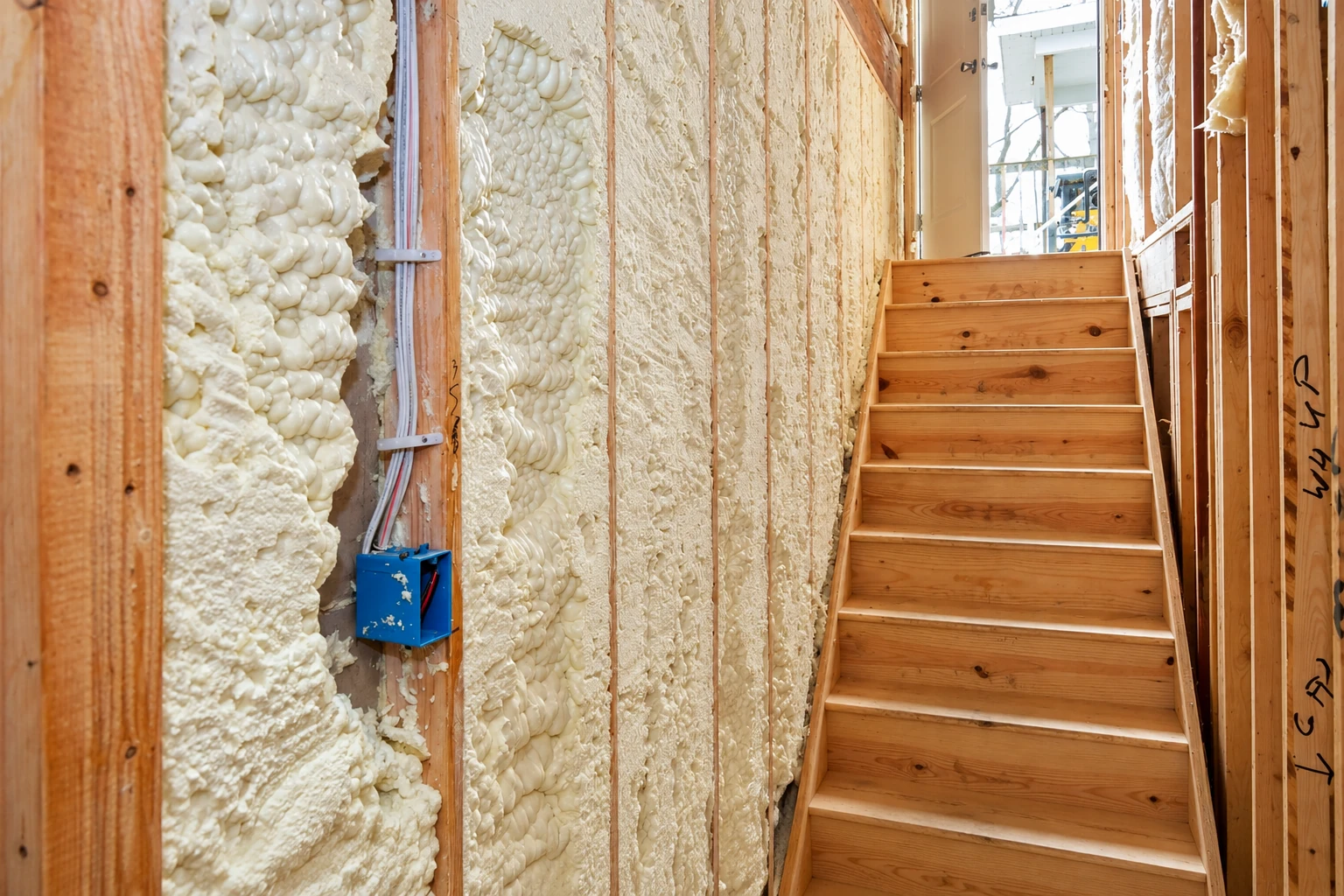
Wall insulation in South Pasadena is usually a drill and fill job: we drill small holes near the top of each wall cavity, from inside or outside, and fill the space with blown-in insulation, which is loose fill blown through a hose, so a cold room warms up without the walls coming down.
Most calls I get about walls start with a room that's drafty in winter, hot upstairs in summer or tied to a power bill that keeps climbing, with outside walls that feel cold to the hand. The price moves with how many walls and rooms we fill, which side we drill from, what's already in the cavities and how old the house is. The schedule mostly turns on whether the city needs to approve or permit anything first, and I put all of it in a written estimate once I've seen the house. The state licensing board classifies this as insulation contractor work, and we're licensed and insured to do it.
I come out myself, look at the walls, the attic and what's already in the cavities, and put the work in writing so you can compare our estimate fairly with anyone else's.
If I find a roof leak or old wiring that touches the walls, I'll tell you to fix that first, because new insulation over a problem just wastes your money.
Our install crew does the work, and I walk the finished job with you before we call it done, so you can see the patched holes and ask questions in person.
We'll help you decide whether to drill from inside or outside, because in an older home that choice can change what the city needs to approve. South Pasadena requires design approval for most exterior changes, and most homes here that are 50 years or older are on the city's Cultural Heritage Inventory, a listing that only affects work on the outside of the house. You can check with the Planning and Building department whether yours is listed. If your house was built before 1980, lead safety rules may also apply depending on how much wall gets disturbed, so I'll tell you how much surface each side would open before you choose. We check the rules the same way in Pasadena, Alhambra, Glendale and the other cities around us, since each one has its own building office.
Once the side is set, we blow the insulation in dense enough to guard against settling, because loose fill slumps over time and leaves voids at the top of the wall. Federal guidance for this work calls for checking every filled cavity with an infrared camera before patching, and we check each filled cavity before any hole is closed. Walls also lose heat through gaps around outlets, pipes and trim, so it often makes sense to add air sealing services, which close those gaps so the new fill isn't fighting a draft. If the cold in a room comes up through the floor instead, basement insulation may do more for it than the walls will.
If one room stays cold all winter and its outside wall feels chilly to the touch, the cavity behind it is often empty or settled, and filling it is usually where we start.
That room has weather on more sides than most, so it's often the hardest one in the house to keep comfortable, and filling its walls is a common first step.
Federal guidance says the best time to add continuous insulation, a layer over the outside of a wood-frame wall, is when re-siding is already planned, so tell me if siding is on your list.
If you're already planning to patch and paint inside, drilling from that side can line up with the work and leaves the water barrier behind your siding alone.
We reply within one business day to set a time, then I come out, look at your walls and put the work in writing, free and with no obligation.
Tell me roughly when the house was built, because a home from before 1980 may fall under lead safety rules, and that can shape which side we drill from.
If you know your house is on the city's heritage inventory, mention it, since outside access is where design approval comes in and it may steer us toward the inside.
Let me know if you'd rather we work from inside or outside, and I'll walk you through what each one would disturb before you decide anything.
These photos show insulation materials, drilled and patched walls and room layouts we can talk through with you at the estimate.
Here are the questions homeowners ask me most about filling existing walls, from access and cost to permits and work hours.
Yes, in most houses, because drill and fill is a fairly uninvasive way to insulate existing outside walls. Small holes go in near the top of each wall cavity, the cavities are filled with blown-in insulation, and the holes are patched, so nothing comes down. I'll show you where the holes would go when I come out.
I usually lean toward inside, because it leaves the drainage plane, the water barrier behind your siding, alone. Blowing in from outside breaks through that layer, so it then needs proper patching or full replacement. The right side still depends on access and the shape that barrier is in, and in South Pasadena outside work is where design approval comes in.
A blown-in wall insulation retrofit in Los Angeles County usually runs about $1,900 to $4,200 per job, which is the going rate in the area, not our price. Where your job lands depends mostly on how many walls we fill and which side we drill from. Your own figure comes in my written estimate after I've seen the house.
The city's Building Division issues permits for altering buildings and inspects permitted work, so it decides whether your job needs one, and when it does, we take care of the application and set up the inspection. The Contractors State License Board classifies insulation work as C-2 Insulation and Acoustical Contractor, which covers installing any insulating material for temperature or sound control.
In most of South Pasadena, construction can run 8:00 a.m. to 7:00 p.m. Monday to Friday and 9:00 a.m. to 7:00 p.m. on Saturday. Sundays and city-recognized holidays run 10:00 a.m. to 6:00 p.m., and Southwest Monterey Hills has its own rules. We schedule your job inside the hours that apply to your street.
We answer the phone every day until 11 p.m., so call (626) 597-0202 or send the form whenever it suits you.