Spray foam insulation
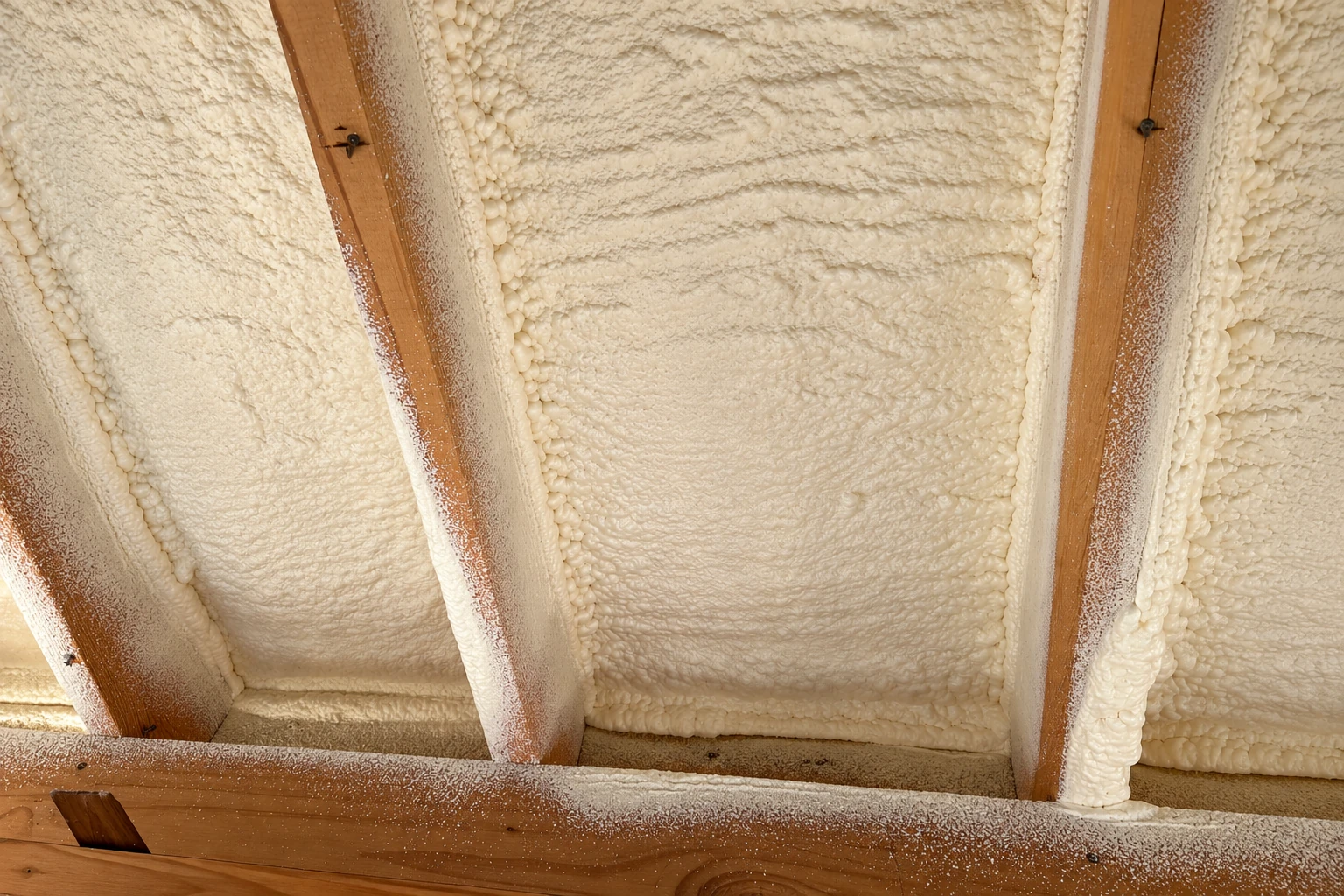
We spray foam under roof decks, around the room over the garage and into odd-shaped cavities where loose fill can't stay put, because the foam fills the shape and seals air gaps.
E&J South Pasadena Spray Foam Insulation is an insulation contractor based in South Pasadena, CA. We insulate and air seal attics, walls and crawl spaces in Glendale homes, and we look hard at the space before we talk about materials.
Many of our Glendale calls start with a hot upstairs, a drafty bedroom or a power bill that keeps creeping up. The city has a lot of older houses, including hundreds of Spanish Colonial, Tudor and French-style Period Revival homes. Their attics are often tight under the roofline, with a few settled inches of old insulation and gaps around lights and pipes that nobody ever sealed.
The price moves with what's already up there. How many inches are left, whether the old material is soaked or full of droppings and has to come out, how many gaps need sealing and whether foam or loose fill suits the space all change the number. The schedule turns on the same things, plus how hard the space is to reach, which is why I look at it before I give you a figure.
Glendale runs its permits through the city's Development Services division. Its quick online permits cover work like re-roofs and water heaters, and insulation isn't on that list, so we ask that office what your job needs. When a permit is required, we take care of the application and set up the inspection. We do the same work next door in Burbank and Pasadena and over in East Los Angeles, and we check each city's rules separately because each one has its own building office.
If the roof leaks or the attic has old wiring, I'll tell you to deal with that first, because new insulation over either one hides the problem and wastes your money.
If I find something that will cause trouble later, such as a buried vent or a damp patch in the framing, I'd rather tell you at the estimate than surprise you halfway through.
We're licensed and insured, and the work is backed by our satisfaction guarantee, so you know who stands behind the job after our crew packs up.
We spray foam under roof decks, around the room over the garage and into odd-shaped cavities where loose fill can't stay put, because the foam fills the shape and seals air gaps.
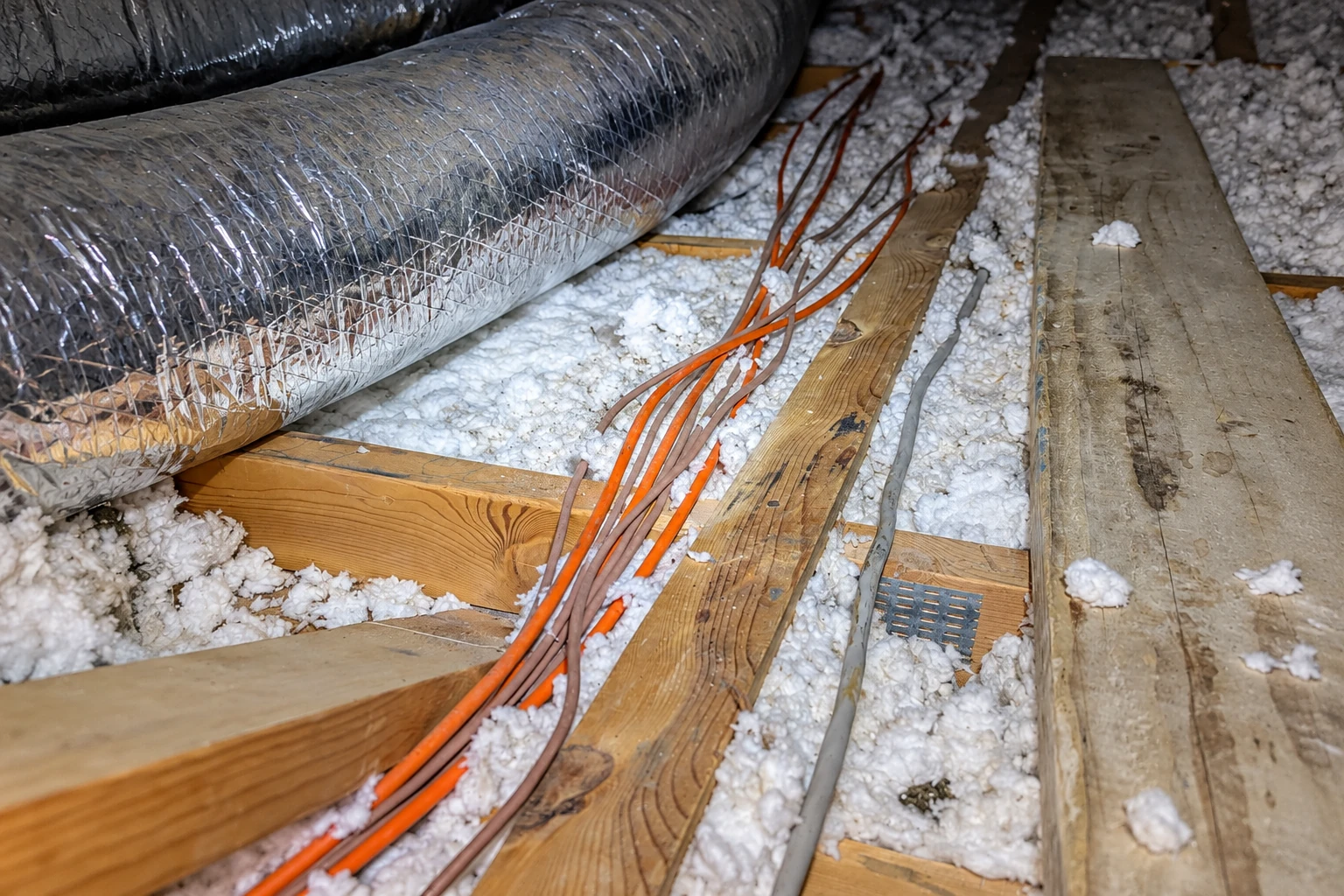
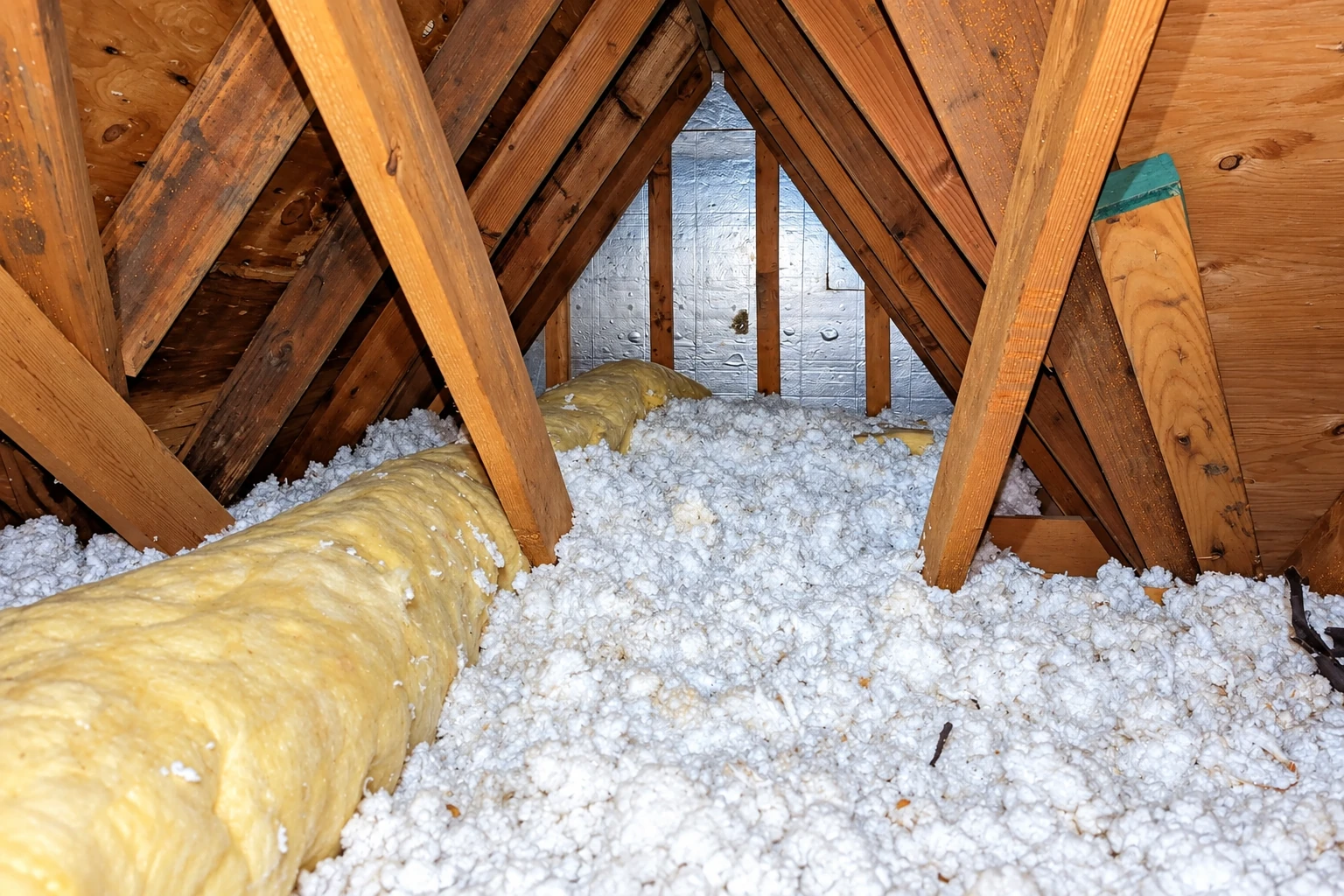
We measure the inches already in your attic, then bring the depth up evenly to the edges, where older attics run thin, keeping the eave vents clear so the attic still breathes.
Blown-in insulation is loose fill we blow through a hose, which suits the tight, low attics on many older Glendale houses where nobody can lay batts by hand near the eaves.
When several rooms are drafty or the power bill keeps climbing, I look at the attic, walls and floors together, so you can fix the biggest loss first instead of guessing.
We vacuum out old insulation that's soaked, flattened or full of rodent droppings, because covering it keeps the smell and the problem, and a clean attic lets us see what needs sealing.
Cold floors over a raised foundation usually trace back to a bare or sagging crawl space, so we insulate between the floor joists and support it snug against the subfloor.
Many older houses here have empty wall cavities, so we blow insulation in through small holes and patch them, which helps rooms on outside walls without tearing out plaster.
Beyond the attic, we seal the gaps that let air in around plumbing, wiring and ducts through walls and floors, because drafts slip past any insulation that isn't sealed first.
Basements aren't common here, but where a house has one we insulate the walls and rim joist, the framing on top of the foundation, where air often leaks in.
Closed-cell foam is a dense foam that also blocks moisture, so we use it on crawl space walls, rim joists and other damp spots where a softer foam could hold water.
Open-cell foam is softer, lighter and costs less than closed-cell, so it suits dry roof decks and walls between rooms, where it seals air and cuts down noise too.
From my years on commercial crews, we insulate offices, shops and rental buildings for owners and property managers, and we plan the work around your tenants' hours.
We lay a heavy plastic sheet over the dirt in your crawl space and lap and seal the seams, so ground moisture stays out of the framing and the insulation above it.
Where walls, ceilings or floors need one, we put the vapor barrier on the correct side of the insulation, because one in the wrong place can trap moisture inside the wall.
Before we add anything in the attic, we seal around can lights, pipes, wire holes and the hatch, so the new insulation isn't fighting a draft coming up from the rooms below.
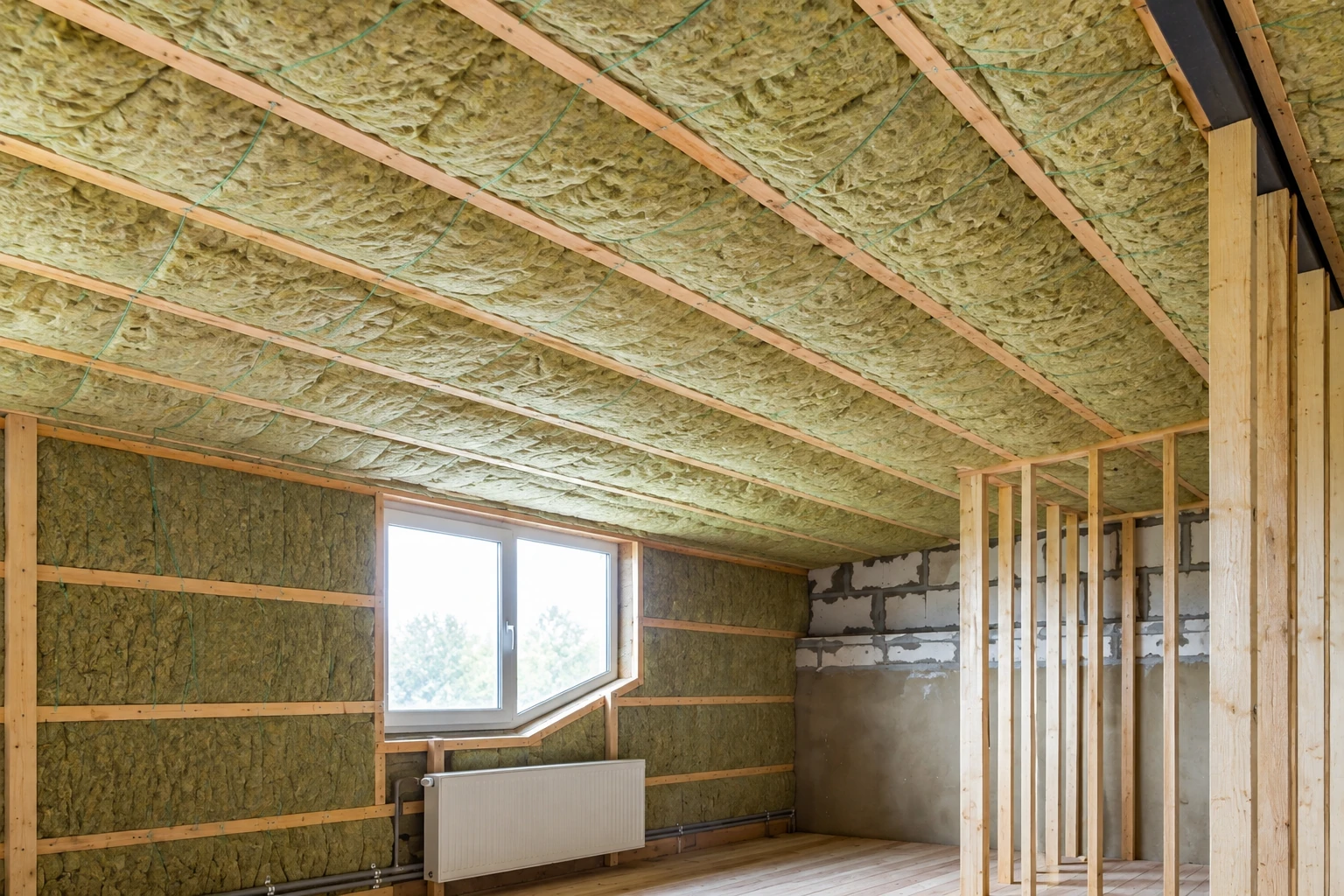
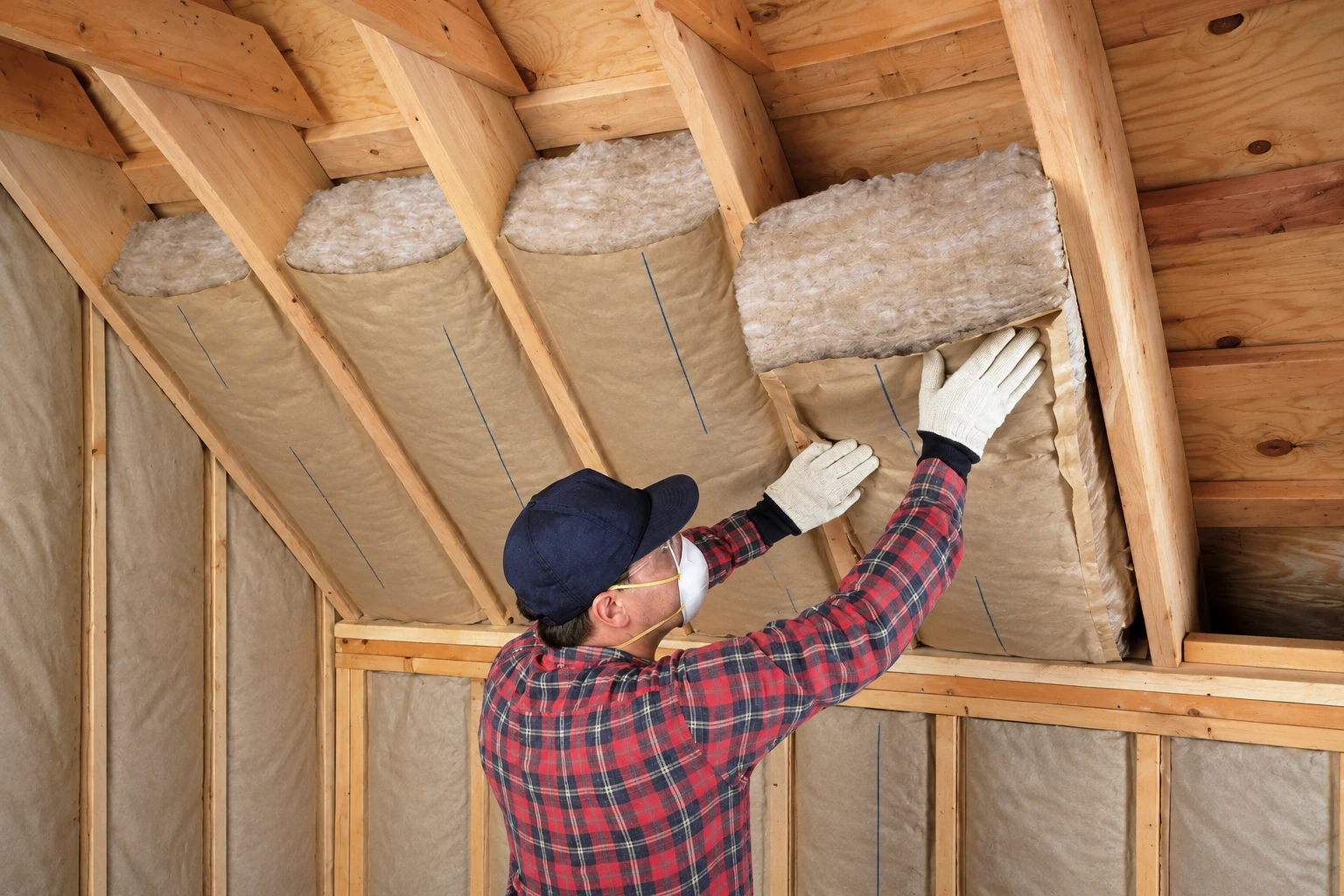
Retrofit work adds insulation to an older finished house through the attic, crawl space and walls, planned around the plaster, trim and finished rooms you'd rather not open up.
Send the form and we'll reply within one business day to set a time. I'll come out, look at the space and write up a free estimate, with no obligation to go ahead.
I look at how many inches are already up there, the condition of the old material, the gaps and the eave vents, because those decide what the job really is.
You get the scope, the materials and what comes first written out, so you understand what you're paying for and can compare it fairly with any other bid.
Our install crew does the work, and I walk the finished job with you before we call it done, so the person who wrote the estimate checks the result.
These are the questions Glendale homeowners usually ask before booking attic or crawl space work, from licensing to whether you need to leave home.
Almost always, yes. The California Contractors State License Board requires a license when a job needs a building permit, uses hired workers or comes to $1,000 or more in labor and materials, and a larger job can't be split into smaller pieces to get under that line. Any insulation job done by a crew meets those terms, so ask to see the contractor's license.
Yes. Glendale asks every business located in the city to hold a Business Registration Certificate, and a contractor with no business in Glendale applies for the city's Contractor's License instead. For a crew based in South Pasadena like ours, the Contractor's License is the one that applies, and it's a fair thing to ask any contractor about before you sign.
For most older attics, sealing the gaps and topping up with blown-in insulation is the better value. Foam costs more because it seals air and insulates in one step, and I recommend it when your ductwork runs through the attic, since foam on the roof deck brings those ducts inside the insulated space. I'll tell you which fits your attic at the estimate.
For blown-in insulation and air sealing, most families stay home, though we ask that kids and pets keep away from the work area and the attic hatch. Spray foam is different, because the foam maker sets a re-entry time, the wait before anyone goes back inside, and I'll give you that time for the product before we book the day.
These are the cities with their own page on our site, and we work in others too. If your city isn't listed, call or send the form and ask.
We take calls until 11 PM every day, so you can call (626) 597-0202 after work or send the form tonight.