Cold floors in the rooms above
When the floors over your basement feel cold underfoot, insulating the foundation walls keeps the lower level warmer, so the rooms above usually stop losing as much heat into it.
Cold floors over a chilly, drafty basement? We check for moisture first, then insulate the walls so the whole lower level holds heat better.
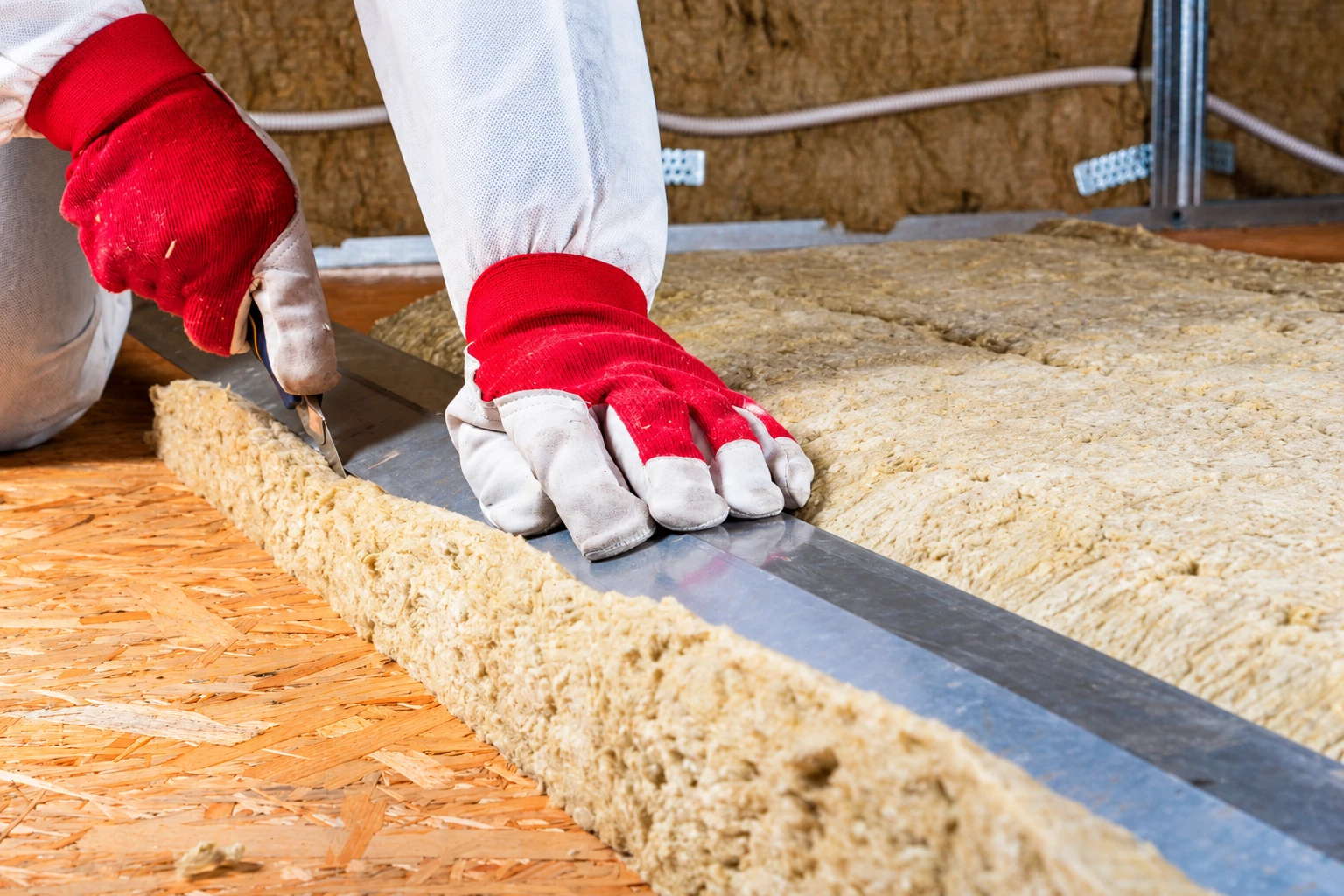
Basement insulation in South Pasadena means adding spray foam, rigid foam panels or batts to your foundation walls, so the basement and the rooms above it feel more comfortable.
Most basement calls start with cold floors in the rooms above, a chilly lower level or a power bill that runs higher than it should. The price moves with how much wall there is, whether the walls are bare or finished, which material fits and whether a water problem has to be fixed first.
The schedule mostly turns on that same repair, on how much framing or patching the walls need and on whether your job needs a permit. Once I've looked at your basement, I put your own figure in writing so you can see exactly what you'd be paying for.
I come out myself to see your walls, the ceiling and any signs of water before I recommend anything, so the estimate fits the basement you actually have.
I spent my early years on commercial insulation crews in offices and warehouses, and I started this business in 2023 to bring that same order and care into people's homes.
If something should be fixed before insulation, like old wiring along the walls, I'll tell you plainly, because covering it up first just wastes your money.
If your basement is damp, the water problem gets fixed before we insulate, because insulation over a leak only hides it and wastes what you paid. I'll point out what needs fixing when I'm down there, since I'd much rather tell you on the first visit than have you find it after the walls are closed up.
After that, your walls decide the method. On bare concrete we can spray foam or fasten rigid foam panels straight to the wall, or frame a new wall in front of it, fill it with batts and finish it with drywall. Closed-cell foam insulation is dense foam that also blocks moisture, so it suits a foundation wall well. Open-cell foam insulation is softer and costs less, and I usually keep it for framed walls and ceilings away from the concrete. If your basement is already finished, we usually work through the walls you have instead of tearing them out.
Foam costs more than panels or batts, but it seals air leaks in the same pass, and a foundation wall has plenty of small gaps. When the walls are going to be framed and finished anyway, batts with careful air sealing, which means closing those gaps before the insulation goes in, can be the better value. I'll tell you which way I'd go for your basement and why.
When the floors over your basement feel cold underfoot, insulating the foundation walls keeps the lower level warmer, so the rooms above usually stop losing as much heat into it.
Bare walls are the easiest time to insulate, because we can foam or frame them before any drywall goes up, and you won't have to open finished walls later.
Many of our calls come from older homes where cold air creeps in along the foundation, so we look for those gaps along with the insulation itself.
Insulation also cuts down on sound, which helps when the basement holds a workshop, a laundry room or a TV room, and once it's in, it needs no upkeep.
Send the form and we'll reply within one business day to set a time. I come out, look at your basement and write the estimate, free and with no obligation.
It helps to note the basement's rough size, whether the walls are bare or finished and any damp spots, so I arrive ready to look at the right things.
I put the method, the materials and the areas covered in writing, so you understand what you're paying for and can compare our estimate fairly against anyone else's.
Our install crew does the work, and I walk the finished basement with you before we call it done. The job is backed by our satisfaction guarantee.
These photos show foam, panel and batt finishes on walls and framing, useful for talking through which look and layout fits your basement.
Here are the questions South Pasadena homeowners ask most when they're weighing basement insulation, answered plainly and in order.
Across the US, insulating a basement usually costs about $4.50 to $6.40 per square foot, and that's a general national figure, not our price. Your own figure comes in writing after I see the space. A national checklist also calls for covering foam that isn't fire-rated with drywall or another approved layer, so plan for that on bare walls.
Usually, yes. We drill small holes in the walls and blow insulation into the cavities behind them, so the drywall stays where it is. Blown-in insulation is loose fill pushed through a hose, and it fills those spaces without a tear-out. The holes get patched once the cavities are full.
Any leaks or moisture along the foundation get fixed first, so in a damp basement that repair is your first step and your first cost. A national checklist also calls for checking for asbestos, lead paint, water and pest damage before the work, which gives you a list of problems to fix before insulating.
The walls are usually the better choice, because basement ceilings tend to be crossed by wiring, pipes and ductwork that leave gaps in the insulation. That comes from older federal guidance, so treat it as a general rule. Insulating the walls gives you a more unbroken layer against heat loss and air leaks, with fewer obstacles to work around.
California's Contractors State License Board covers insulation work under its C-2 Insulation and Acoustical class, which includes installing any insulating material for temperature or sound control. We're licensed and insured, and our own install crew does the work after I've written the estimate and gone over it with you.
The city decides, so we check with the South Pasadena Building Division, which issues permits for altering buildings, before your job starts. When one is needed, we take care of the application, which the city takes online, and set up the inspection. You can pull your own as an owner-builder, though the city notes that carries legal obligations.
We're open until 11 PM every day, so you can call (626) 597-0202 after work or send the form whenever it suits you.