Old wiring comes first
If your attic still has active knob and tube wiring, the old cloth-wrapped kind, federal attic guidance says insulation waits until it's replaced or properly boxed. I'll point it out at the estimate.
If upstairs runs hot, rooms feel drafty or the power bill keeps climbing, we find where your house loses the most and insulate that first.
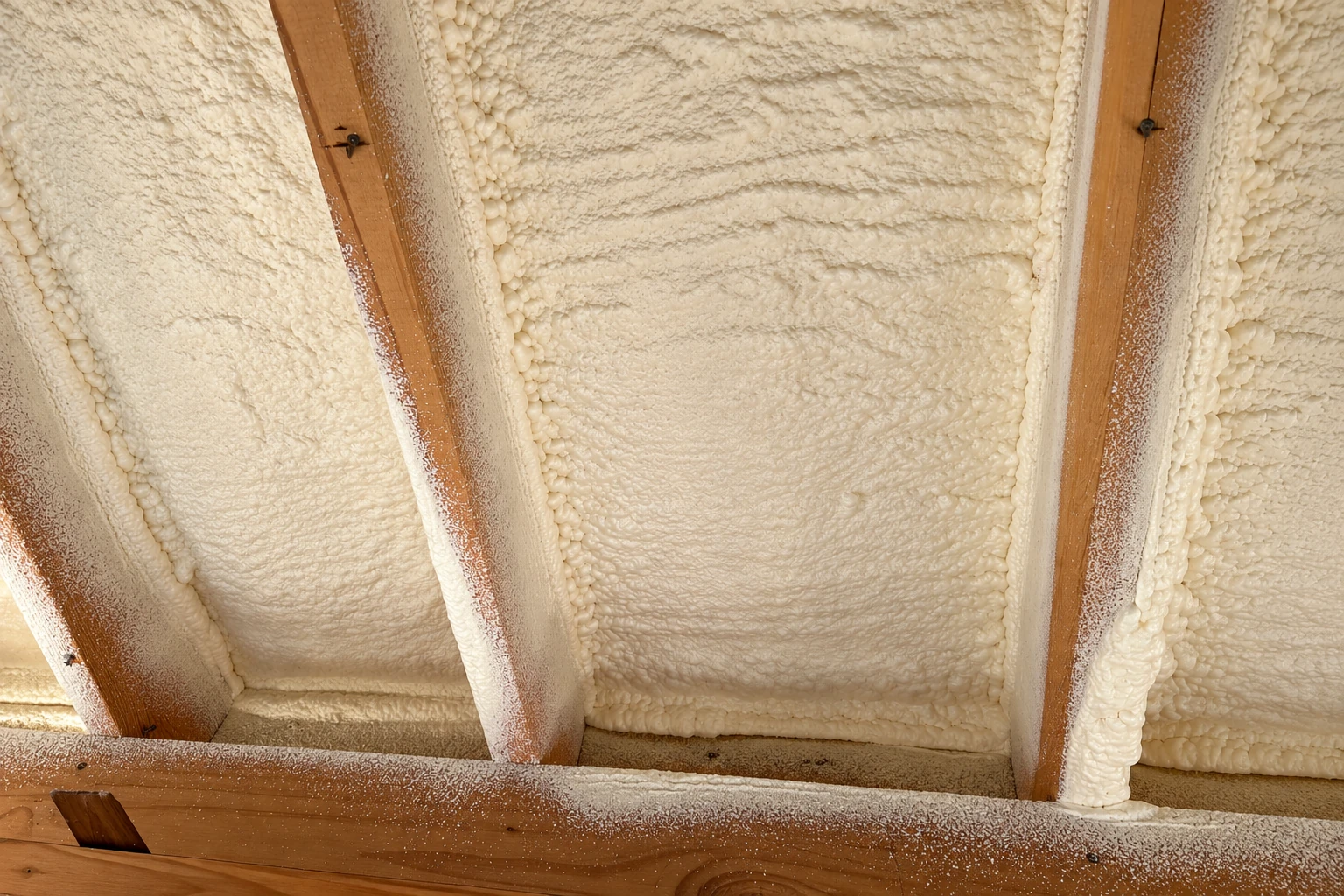
Home insulation in South Pasadena means adding insulation between your attic and the rooms below, and blowing it into closed exterior walls where it's needed, so your heating and cooling bills can come down and the rooms feel less drafty.
The price depends mostly on the area we're covering, how many inches of insulation are already up there, whether old insulation has to come out first and how easy the attic or crawl space is to reach. The schedule depends on what I find, because a roof leak or old wiring gets fixed before anything new goes in, and on the city permit and inspection. After I've looked at the space, I put the scope and price in writing so you can compare it fairly.
We're based in South Pasadena and work in Pasadena, Alhambra, Glendale and the other cities around it. Most of our calls come from older houses with a hot upstairs, a drafty bedroom or a room over the garage that never feels right, and the age of the house tells me a lot about what to look for first.
I come out myself, look hard at the attic or crawl space and put the work in writing, so you know what you're paying for before anyone climbs in.
New insulation over a leaking roof or old wiring just wastes your money, so I'll tell you what needs fixing first. I'd rather raise it now than have it surprise you later.
Our install crew does the work, and I walk the finished job with you before we call it done. The work is backed by our satisfaction guarantee.
When you're weighing several projects, I'll tell you plainly which part of the house should help most for the money and what can wait. If the old insulation is soaked, matted or full of droppings, we take it out first with insulation removal, because fresh material laid over it only buries the problem.
Our crew starts with air sealing, closing the gaps around can lights, pipes and the attic hatch, because insulation laid over an open gap still lets the draft through. We keep the eave vents clear so the attic can still breathe, and we carry the full depth out to the edges, where coverage is easy to leave thin. In most attics, sealing the gaps and topping up blown-in fill, which is loose insulation blown through a hose, gets you more for the money than foam. Foam costs more because it seals air as it insulates, so I recommend it mainly when your ductwork runs through the attic.
Cold floors usually point to the space under the house. When that's where your comfort goes, crawl space insulation under the floor keeps the chill from coming up through the boards, and it's often the next step after the attic.
If your attic still has active knob and tube wiring, the old cloth-wrapped kind, federal attic guidance says insulation waits until it's replaced or properly boxed. I'll point it out at the estimate.
Some older attics hold vermiculite, a loose, pebbly fill that may contain asbestos, and the work stops if we find it. That usually means an extra step before any new insulation goes in.
If a furnace or water heater vents by natural draft, the federal checklist calls for a test before attic work to check that exhaust isn't spilling back. Anything the test finds gets fixed first.
If your house was built before 1980 and the job disturbs existing walls, federal guidance asks you to be aware of lead safety rules. We'll talk through what that means for your walls at the estimate.
Send the form and we'll reply within one business day to set a time for me to come out. The estimate is free, done on site and comes with no obligation.
The year your house was built tells me a lot before I arrive, since older homes are where old wiring, old fill and lead rules tend to come up.
Let us know where the attic hatch is and how easy it is to reach, because that decides how I inspect the space and how our crew gets materials in.
If you know of knob and tube wiring, crumbly old insulation or a past roof leak, mention it in the form so I can plan for it rather than find it partway through.
These photos show blown-in fill, spray foam and sealed attic gaps, the kinds of materials and layouts we can talk over for your house.
These are the questions homeowners ask me most, from where to start to what the city requires before the work begins.
For most houses, the attic gives you the most for the money, because sealing air leaks and adding insulation between the attic and the rooms below is one of the most cost-effective upgrades a home can get. It also helps keep moisture, dust and pests out of the house. If your house turns out to be an exception, I'll tell you at the estimate.
Yes, finished walls can usually be insulated without tearing them open. Drill and fill is a common, fairly low-disruption method that blows insulation into each closed wall cavity through small holes near the top. The holes can go on the inside or the outside of the wall, so you can choose the side that suits your house, and they're patched afterward.
Yes. The City of South Pasadena lists insulation as work that needs a permit, and skipping one can bring fines against both the owner and the contractor. We take care of the application and set up the inspection. If you'd like to ask the city yourself, its permit technician answers questions at permittech@southpasadenaca.gov.
Attic insulation installation in the Los Angeles area usually costs about $1 to $4 per square foot. That's the usual price around here, not our price. You'll get our price in the written estimate after I've seen your attic, since the insulation already up there and any old material that has to come out move the price most.
California's licensing board has a license class for insulation contractors, the C-2, which covers installing insulation for temperature control, sound control or both. To work in South Pasadena, a contractor also needs a city business license, and the city checks for a valid state license and any required workers' compensation insurance. We're licensed and insured.
We're open until 11 PM every day, so you can call (626) 597-0202 after work or send the form whenever it suits you.