Spray foam insulation
Foam costs more but seals air as it insulates. We suggest it mostly where the ducts run through the attic, since sealing gaps and adding loose fill usually wins elsewhere.
E&J South Pasadena Spray Foam Insulation is an insulation contractor working on Arcadia homes. We insulate attics, walls and crawl spaces, remove old material and seal the gaps that make rooms drafty or hot upstairs.
Most calls we get from Arcadia start with an upstairs that stays hot, a room over the garage nobody wants to use, or a power bill that keeps climbing. We see a mix of older one-story houses with low, tight attics and larger two-story homes where the ductwork runs through the attic. Those two need different answers, so I look at the attic or crawl space before I talk about materials. Arcadia is a short drive east of us, and as an insulation contractor based in South Pasadena we do the same work in San Marino, Pasadena and Rosemead.
The price moves with how much space there is to cover, how many inches are already up there, whether old insulation has to come out first and how many gaps need sealing around lights, pipes and the hatch. The schedule turns on the same things, plus any repair that has to come first, because new insulation over a roof leak or tired wiring just wastes your money. I put all of it in a written estimate so you understand what you're paying for before anyone climbs into your attic.
Permits in Arcadia go through the city's Building Services office, which enforces the city and state building codes. The city says state law lets only a licensed contractor or the owner pull a permit, and a contractor has to show a current state contractor's license, a City business license and proof of workers' comp to get one. We're licensed and insured, and when a job needs a permit we take care of the application and set up the inspection.
If the material up there was soaked by a leak or is full of droppings, we take it out before adding more, because burying it just keeps the problem in your attic.
We do air sealing, which means closing the gaps around can lights, pipes and the attic hatch, before any insulation goes in, so the new layer isn't fighting a draft.
We keep the eave vents clear so the attic can breathe, and we carry full coverage out to the edges, where it often runs thin, instead of piling it in the middle.
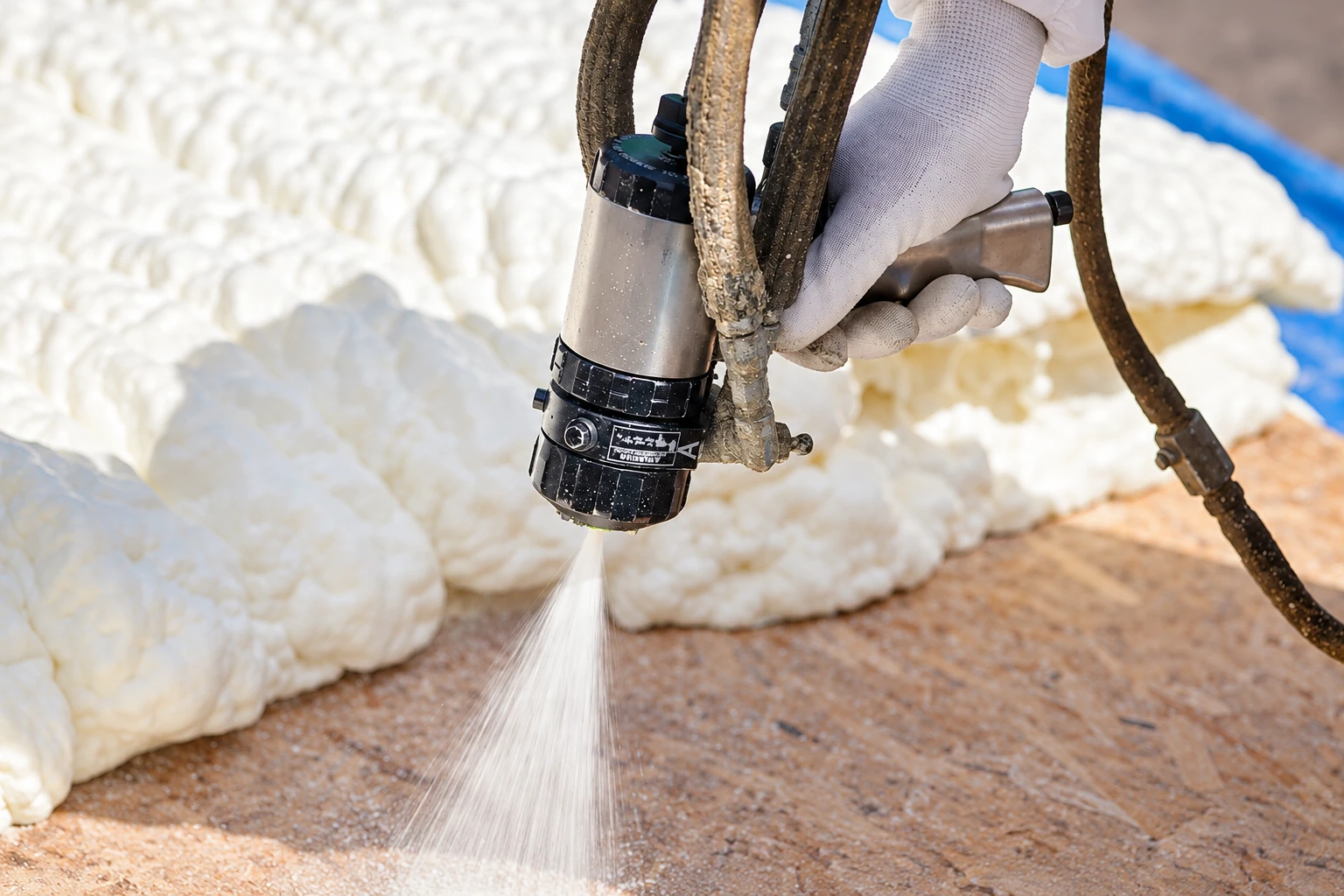
Foam costs more but seals air as it insulates. We suggest it mostly where the ducts run through the attic, since sealing gaps and adding loose fill usually wins elsewhere.
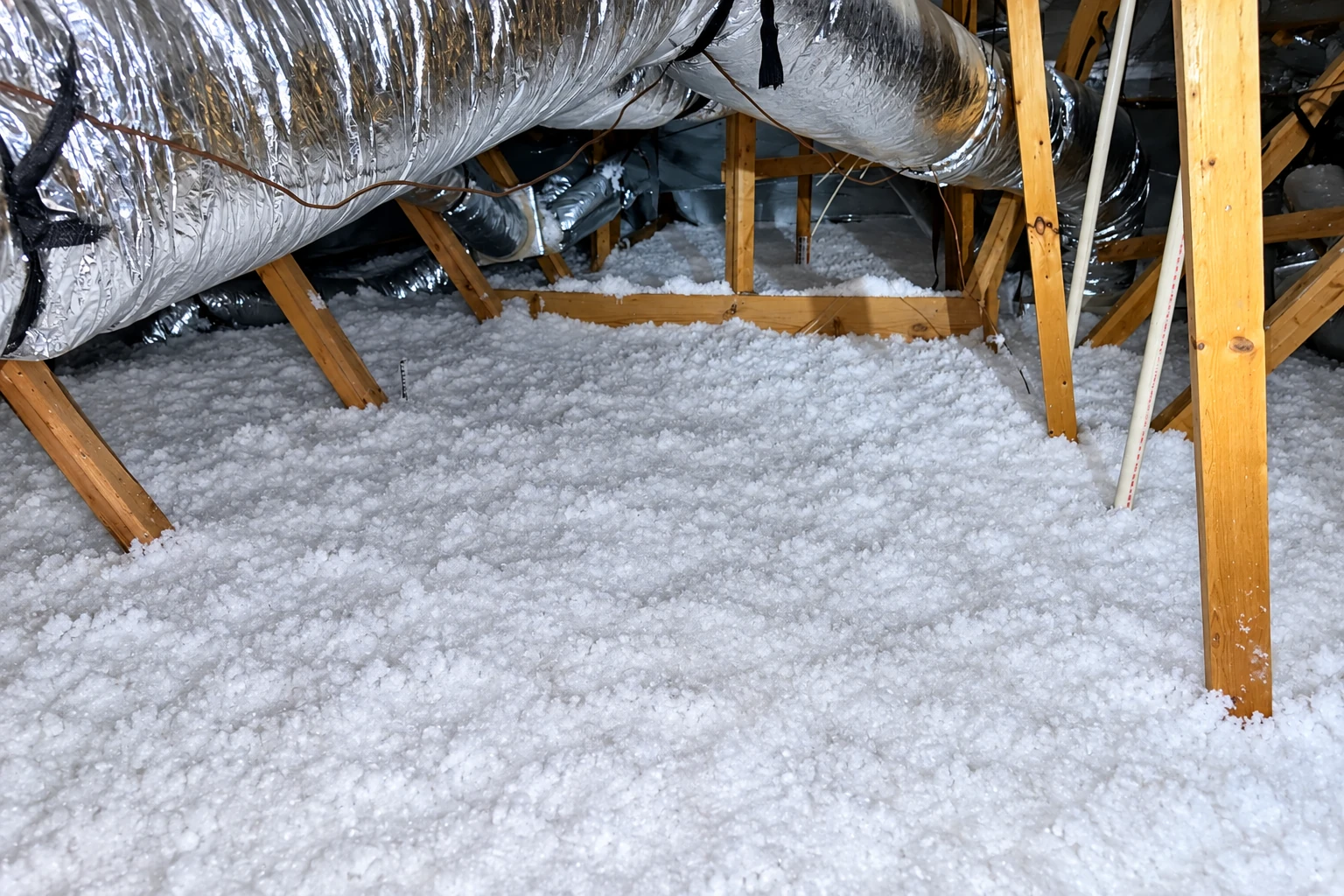
We measure how many inches are already up there, check the eave vents and the old material, then bring the depth up evenly from the middle out to the edges.
Blown-in insulation is loose fill blown through a hose, and it suits the low, tight attics in many older Arcadia houses because it reaches corners nobody can crawl to.
For drafty rooms or a power bill that keeps climbing, I look at the attic, the walls and the crawl space together and tell you which one to deal with first.
When old insulation was soaked by a roof leak or is full of droppings, we vacuum it out and clean the attic before anything new goes in.
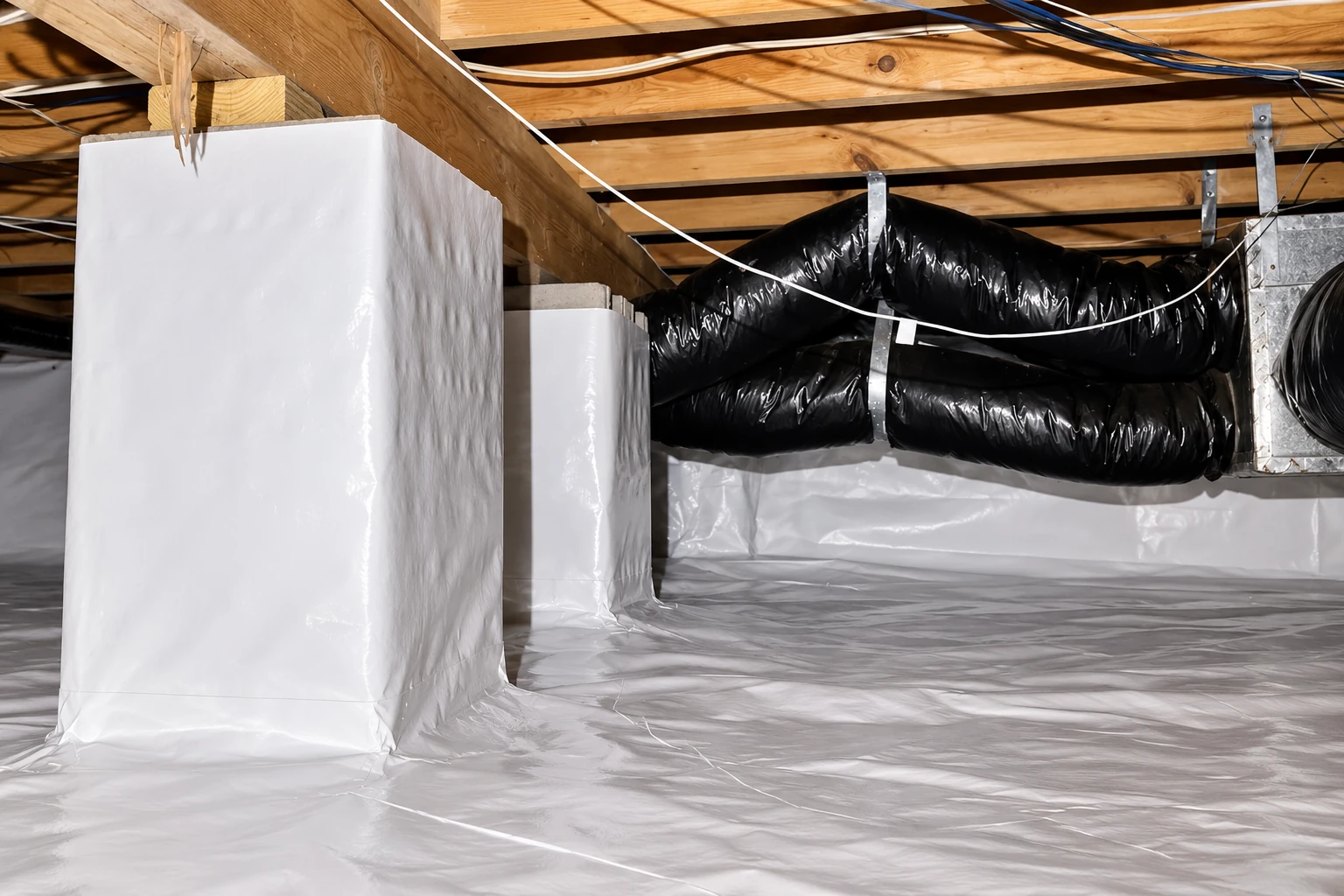
Cold floors usually trace back to the crawl space, so we check for moisture and pests down there before we insulate between the floor framing.
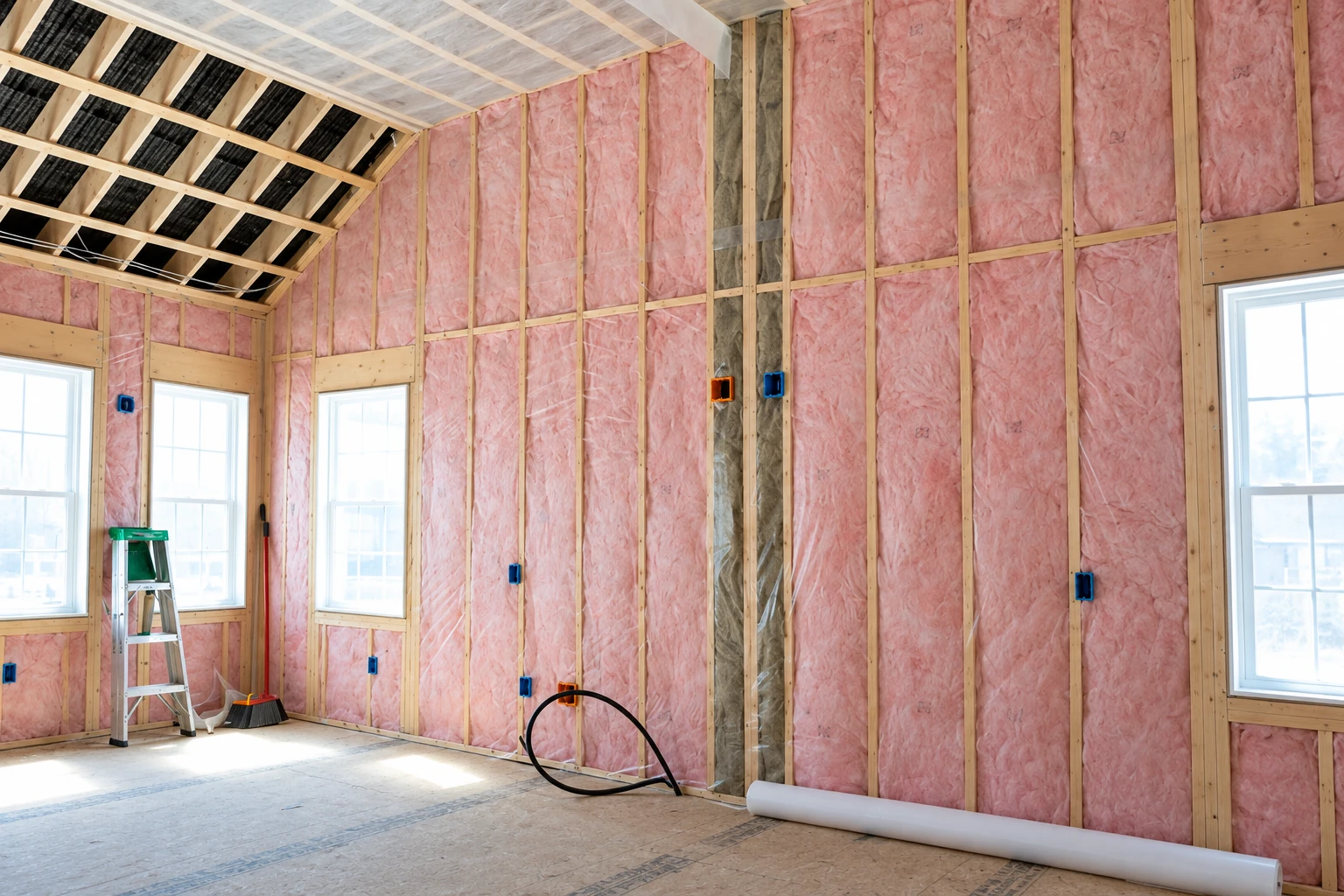
Many older walls have little or nothing inside. We can fill them through small holes we patch afterward, once I've checked for old wiring that should be fixed first.
Drafty rooms usually come from gaps you can't see from below, where walls meet the attic and pipes pass through, and we close them with foam and caulk.
Where a house has a basement or a lower level, we insulate the walls with a material that can handle the dampness that comes through concrete.
Closed-cell foam is dense foam that also blocks moisture, so we use it where water is the worry, such as a damp crawl space or walls below ground.
Open-cell foam is softer and lighter, and it suits rooflines over vaulted ceilings and the room over the garage, where moisture isn't the main concern.
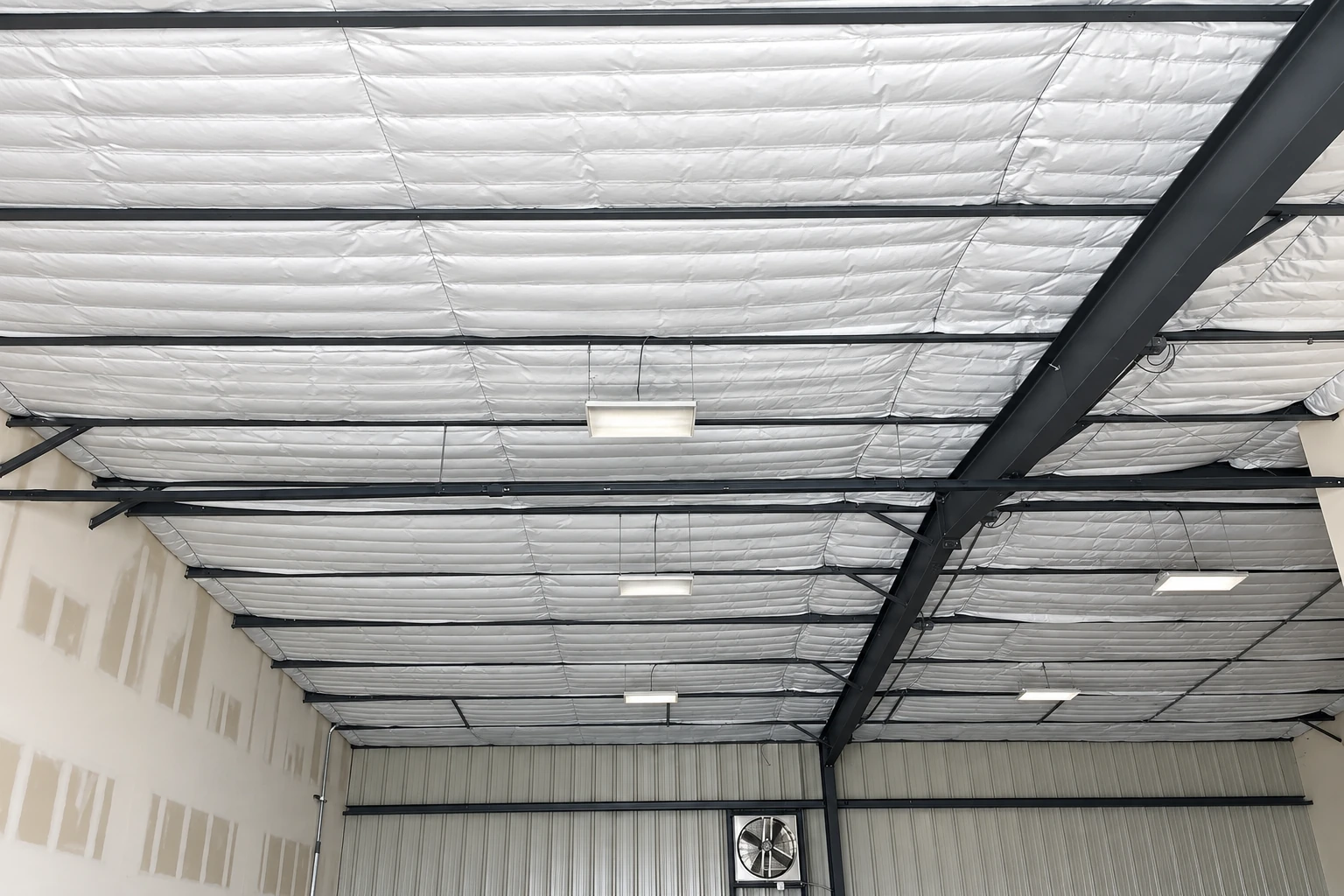
I came up on commercial crews doing offices and warehouses, so we can plan around tenants and business hours for property managers with offices, shops or rental buildings.
We lay heavy plastic over the dirt in the crawl space and seal the seams, which keeps ground moisture away from the floor framing and the insulation above it.
On walls, basements and other spots where damp air can soak into insulation, we put the vapor barrier on the correct side so moisture doesn't get trapped inside.
We pull back old insulation where needed to reach the leaks over your ceilings, seal them, then put the attic back together before the new layer goes on.
Retrofit work adds insulation to a finished house without tearing it apart, and we pick the route through the attic, walls or crawl space by what I find at the estimate.
Send the form or call, and we'll reply within one business day to set a time. I come out, look at the space and give you a free written estimate, with no obligation to go ahead.
I measure, check what's already up there and write down the work and the materials, so you can compare our estimate fairly against anyone else's.
If I find a roof leak, old wiring or a buried vent, I'll tell you at the estimate, so you can fix it first instead of paying for insulation twice.
Our install crew does the work, and I walk the finished job with you before we call it done. Every job is backed by our satisfaction guarantee.
These are the questions we hear most from Arcadia homeowners about permits, contractors and what an insulation job means for the household.
Call the city's building office at (626) 574-5416 before work starts, because Arcadia issues permits for most building and renovation work and its list of jobs that need none names things like painting and fences, not insulation. Electrical, plumbing and mechanical work, such as fixing old wiring first, needs its own permit. When your job needs one, we file it and set up the inspection.
Yes, in most cases. Arcadia requires every business working in the city to hold a City business license unless state or federal law exempts it. A contractor based outside the city carries that license while on the job and must show it if a police officer or city staff member asks, so it's fair for you to ask to see it as well.
Usually not for blown-in insulation or air sealing, though our crew goes in and out through the attic hatch, so a clear path to it helps. Spray foam is different. You, the kids and the pets stay out until the re-entry time, the point the foam maker says it's safe to come back in, and I give you that time at the estimate.
No more than $1,000 or 10 percent of the contract price, whichever is less. The state licensing board sets that limit for home improvement work in California, so an insulation job falls under it like any other. If anyone asks for more than that before work starts, treat it as a reason to slow down and ask questions.
Each city below has its own page on our site. If your city isn't listed, call or send the form and ask, because we work in other cities around South Pasadena too.
Our phones are answered until 11 PM every day, so you can reach us after work instead of squeezing a call into your lunch break.