
Spray foam insulation
We spray foam where ductwork runs through the attic or a wall is open, sealing gaps and insulating in one pass. It costs more, so we suggest it where it earns that.
E&J South Pasadena Spray Foam Insulation insulates attics, walls and crawl spaces in Monterey Park, CA. We look at the space first, clear out what shouldn't stay, seal the gaps, then add foam or blown-in insulation where it fits.
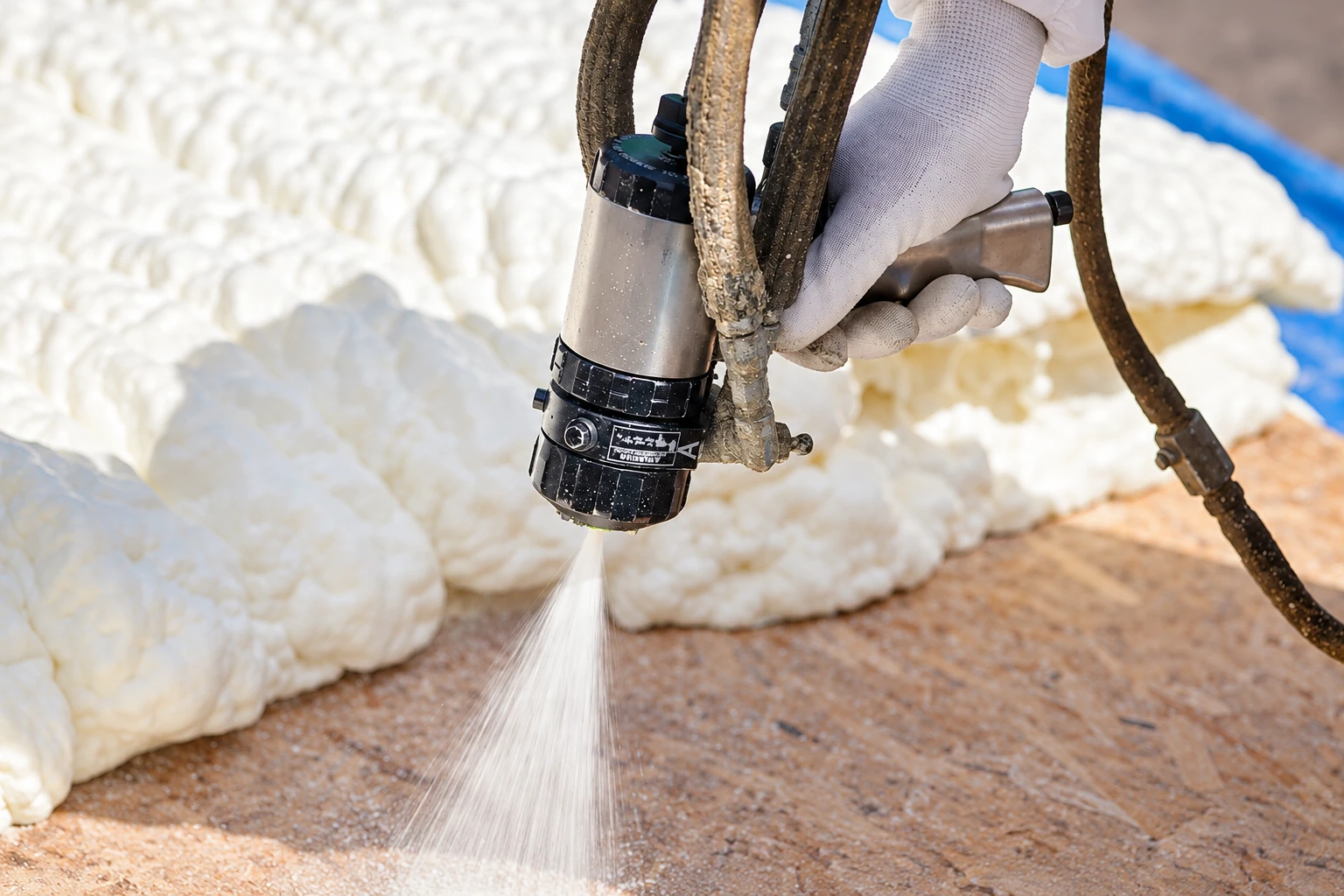
We're an insulation contractor based in South Pasadena, CA, and Monterey Park is one of the cities around it where we do the same work, along with Alhambra, Montebello and Arcadia. The calls here sound familiar. People mention an upstairs bedroom that stays hot, a room over the garage nobody uses, cold floors over the crawl space or a power bill that keeps creeping up. When I open the attic in an older house, I usually find a few inches of settled insulation and gaps around can lights and pipes. Sometimes I also find old material that got wet or filled with droppings, and that has to come out before anything new goes in.
The price moves with what I find and how much has to change. It depends on the size of the space, whether old insulation comes out first, how many gaps need sealing and how easy the attic or crawl space is to reach. It also depends on whether you go with blown-in insulation, which is loose fill we blow through a hose, or with spray foam. Foam costs more because it seals air while it insulates, but for most attics I'd rather seal the gaps and top up the loose fill, unless your ductwork runs up there. The schedule turns on the same things, plus any repair that should come first and a permit if your job needs one. After I've looked, I put the work in writing so you see your own figure before anyone climbs in.
I climb into the attic or crawl space before I suggest foam or loose fill, because what's already in there decides what the job really is.
If your roof leaks or the wiring is old, I'll tell you and suggest fixing that first, because new insulation laid over either problem only wastes your money.
The city's building office and rules aren't South Pasadena's, so before we schedule, we check what your job needs here instead of carrying over what we know from home.
We spray foam where ductwork runs through the attic or a wall is open, sealing gaps and insulating in one pass. It costs more, so we suggest it where it earns that.
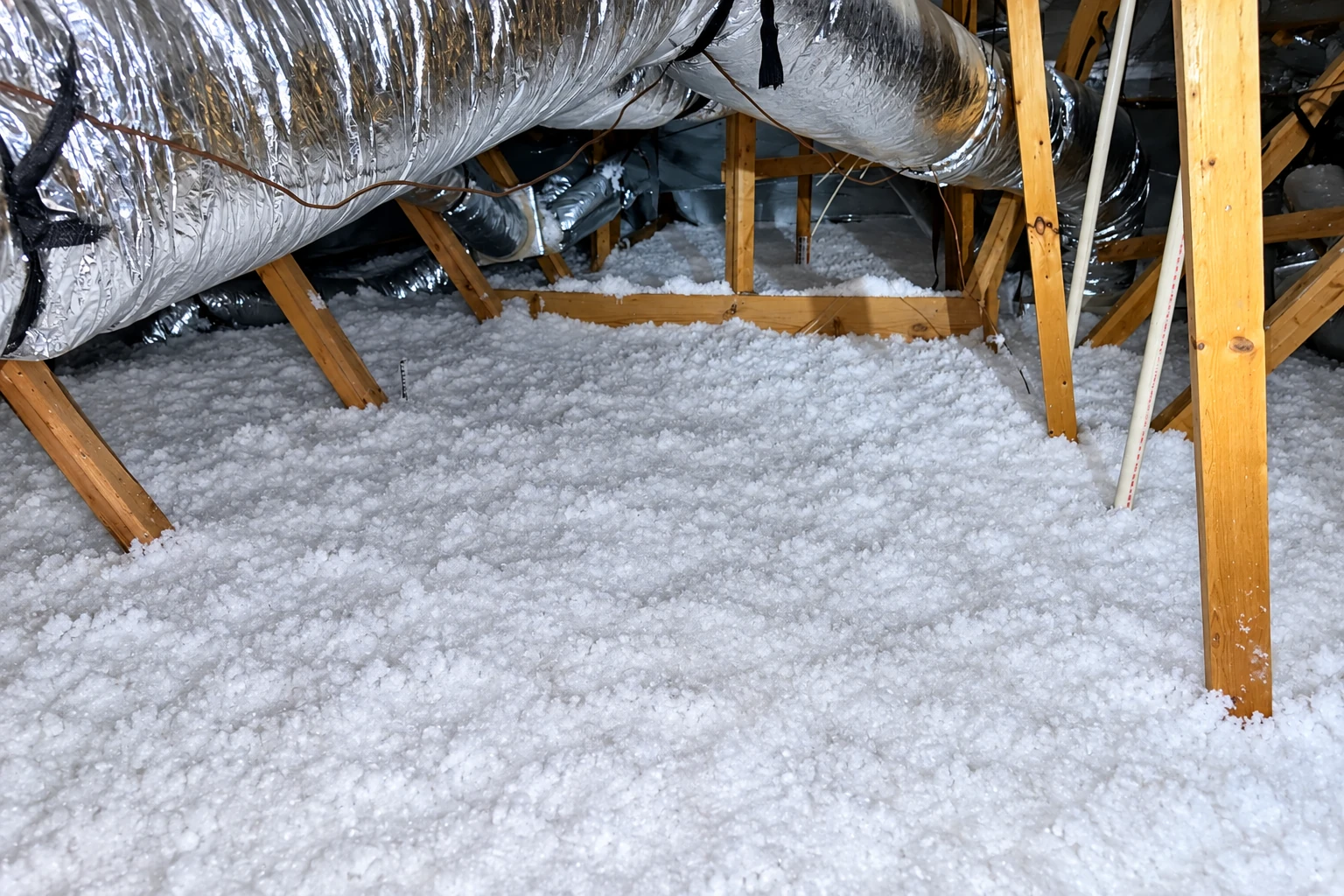
Most hot upstairs rooms trace back to a thin attic. We check how many inches are there, clear out anything that has to go and build even depth out to the edges.
We blow loose fill around joists and wiring and build the edges over your walls as deep as the middle, since thin edges are the most common miss we find.
When the whole house feels drafty, I look at the attic, walls and floors together and tell you which one to do first, so your money goes where the heat actually escapes.
Old insulation that got soaked or filled with droppings comes out before anything new goes in, because covering it keeps the smell and the problem. We bag it and clean up.
Cold floors usually mean an open crawl space underneath. We fit insulation between the floor joists and seal the gaps around pipes so it stays in place and stops the draft.
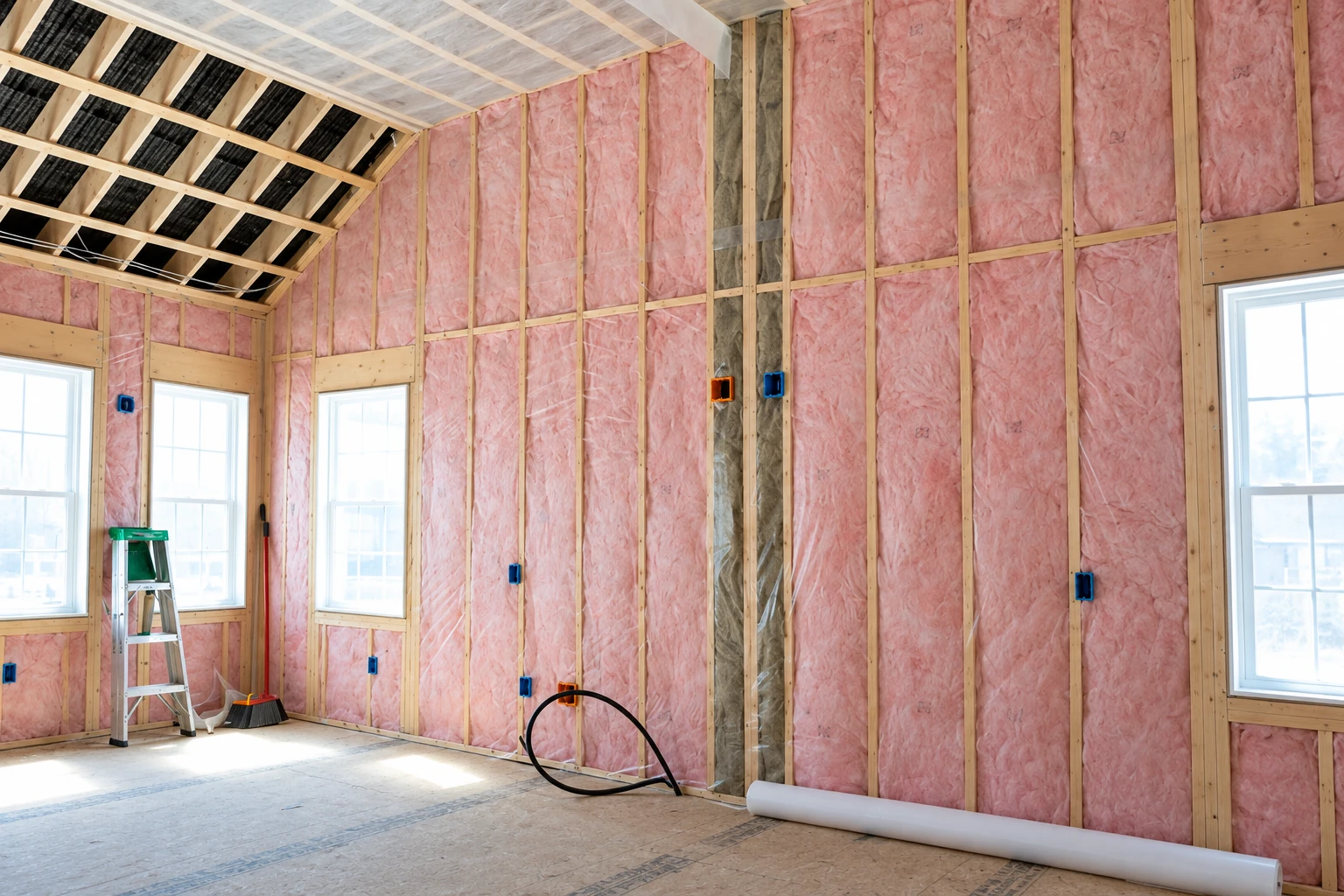
Older walls are often empty or settled at the top. We insulate open walls during a remodel and talk through what's possible for closed ones once I've seen how they're built.
We find and close the leaks around the house, at the garage wall, the crawl space and where pipes and wires pass through, since insulation slows heat but doesn't stop moving air.
Where a house has a basement or lower level, we insulate the walls and the rim joist, the framing on top of the foundation, where cold air usually slips in.
This is the dense foam that blocks moisture as well as heat, so we use it where damp is a worry, like rim joists, crawl spaces and the underside of a floor.
This softer, lighter foam expands to fill odd-shaped spaces and quiets noise between rooms. It lets moisture pass, so we use it in dry spots and closed-cell where damp is a risk.
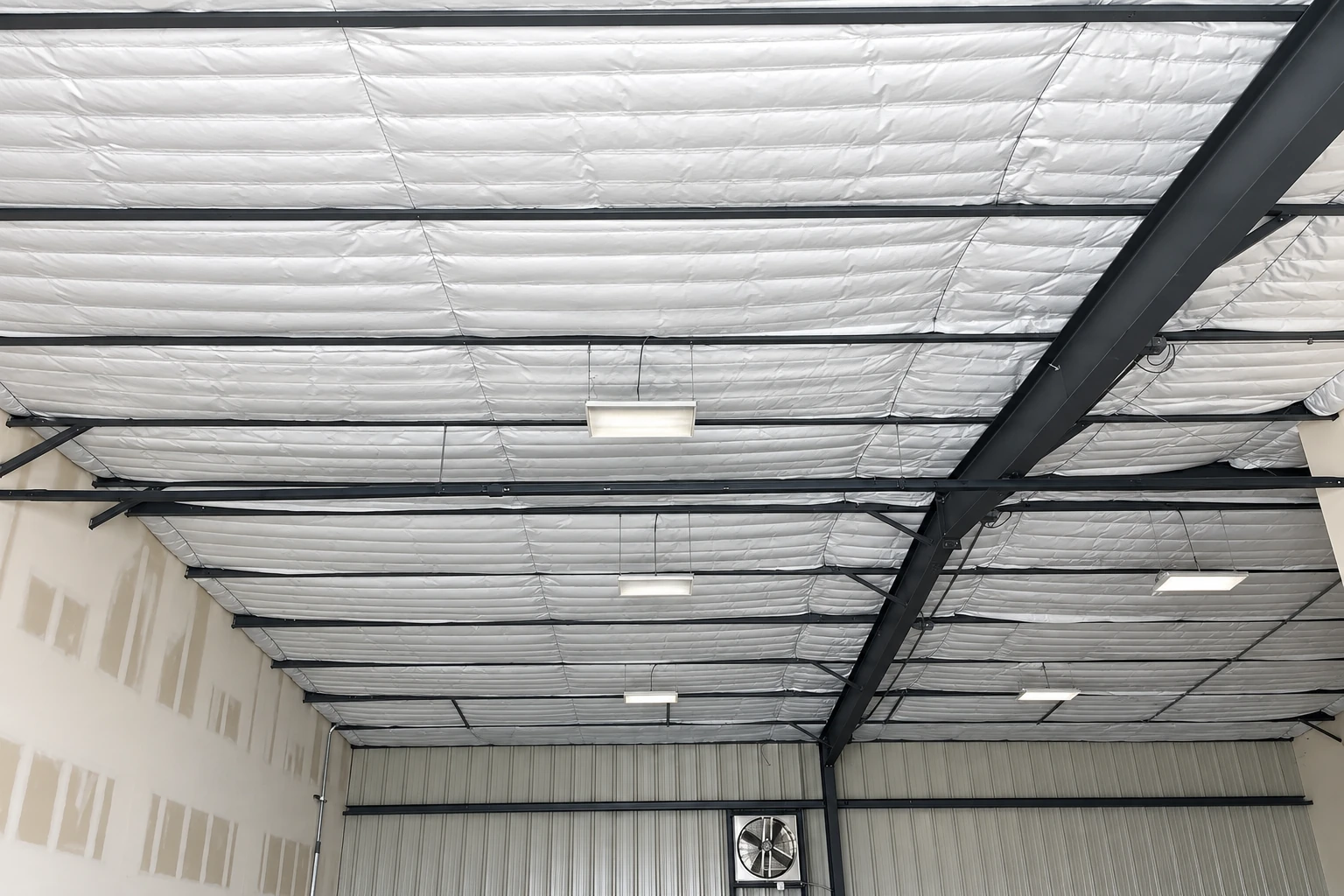
I started on commercial crews doing offices, warehouses and metal buildings, so we take on shops and small buildings too, and property managers get the same written estimate homeowners do.
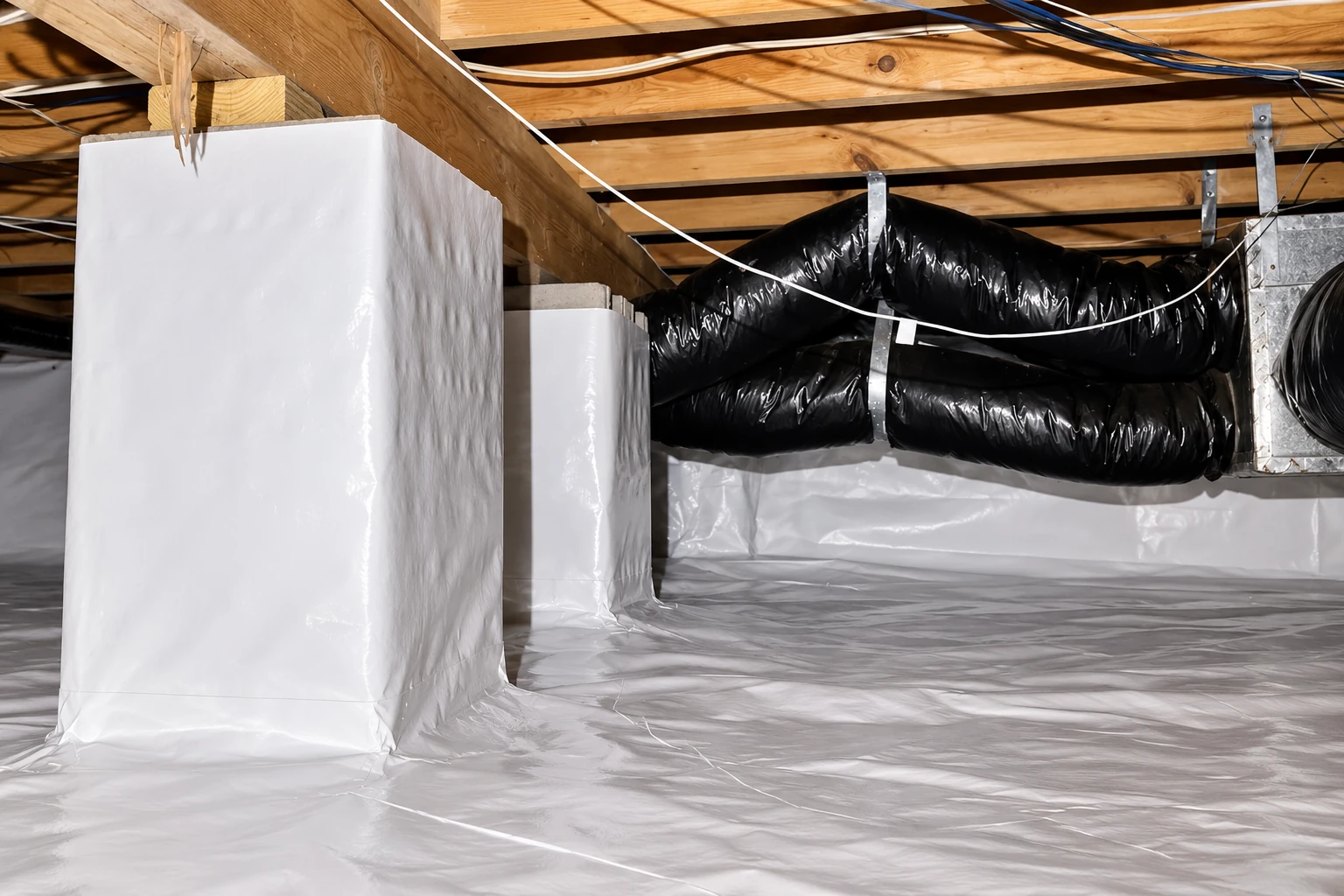
We lay a heavy plastic sheet over the dirt in the crawl space and seal the seams, so ground moisture stays down there instead of rising into the floor and the insulation.
In walls and ceilings, we put the barrier on the side the building calls for, because one on the wrong side traps moisture in the framing instead of keeping it out.
Before any insulation goes into the attic, we seal around can lights, pipes and the hatch, and keep the eave vents open so the attic breathes and the framing stays dry.
Adding insulation to a finished house means working around what's already there, so we plan access through the attic, crawl space or small openings and clean up after.
Send the form and we'll reply within one business day to set a time. I come out, look at the attic or crawl space, and write up the work, free and with no obligation.
I look at the attic or crawl space and write the estimate, our install crew does the work, and I walk the finished job with you before we call it done.
The estimate lists what comes out, what gets sealed and what goes in, so you can hold it next to another contractor's and compare them fairly.
We're licensed and insured, and our work is backed by our satisfaction guarantee, so you know who answers for the job after the crew packs up.
These are the permit and licensing questions Monterey Park homeowners ask before an insulation job, answered the way I'd answer them on site.
The city's One Stop Building Permit Center decides that for each job. Its building permit covers work that installs, alters or repairs any building or structure, and the work it names as needing a permit includes re-roofing, water heater replacement, electrical panel upgrades and window and door change-outs. When your job needs a permit, we file the application and set up the inspection.
Yes, when the job needs a building permit, uses employees, or costs $1,000 or more in labor and materials. The California Contractors State License Board licenses anyone who builds or alters a building in the state, and a larger job can't be broken into pieces under $1,000 to get around that. When you compare bids, ask each contractor for their state license.
Sometimes. Under certain circumstances the city will issue a permit to a homeowner as an owner-builder, but permits for some kinds of work go only to people the state licenses for that trade. The city's Permit Issuance page links the license categories and the work each one covers, so it's worth checking before you apply.
Yes. Monterey Park requires a business license to do business in the city, even temporarily, and a contractor coming in from another city needs only that business license to work there. It's a short, fair question to put to anyone you're thinking of hiring.
These are the cities with their own page on our site, and we work in others nearby too. If yours isn't listed, call or send the form and ask.
Call (626) 597-0202 or send the form with what you notice, a hot bedroom or cold floors, so I know where to look first.