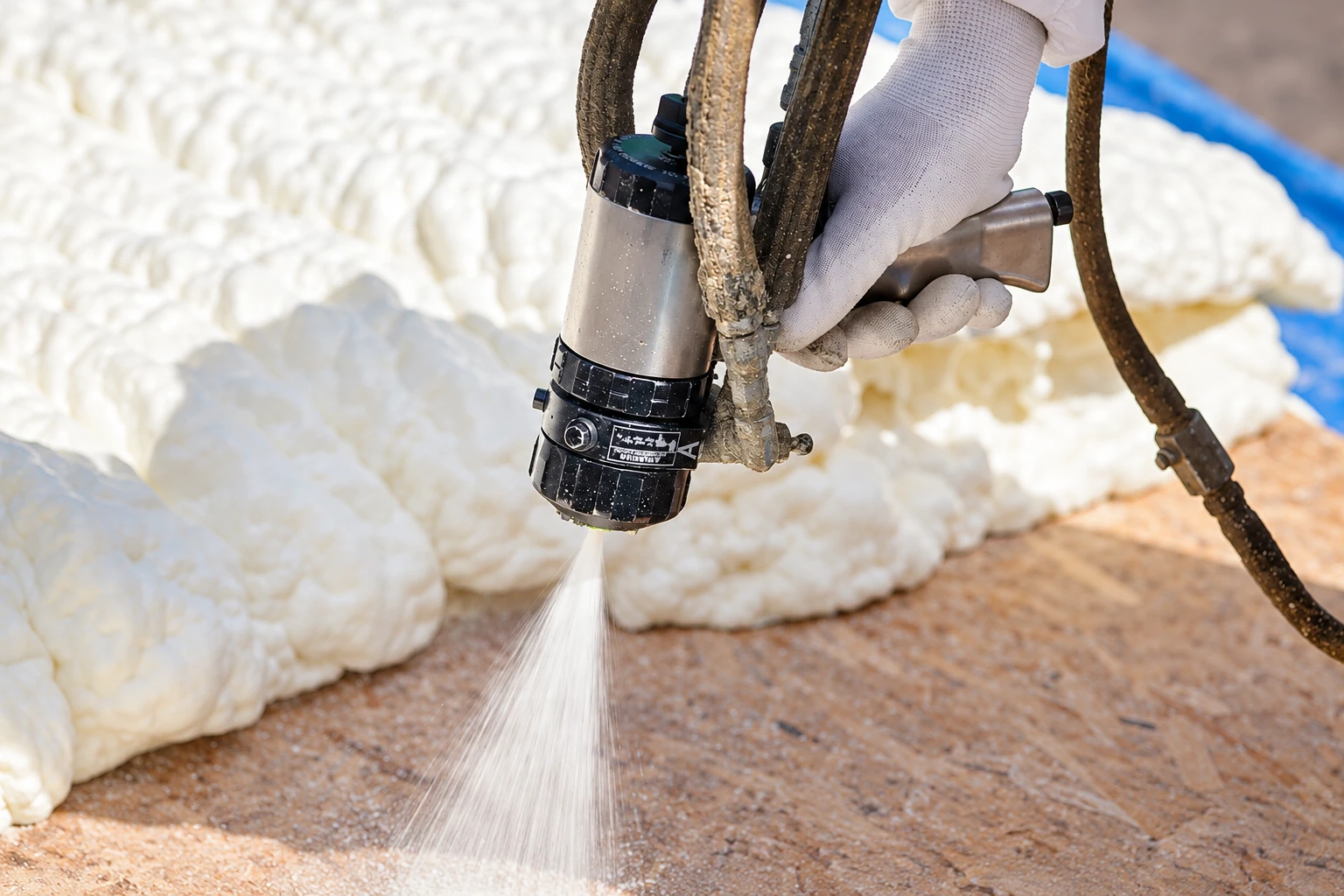
Spray foam insulation
We spray foam where it earns its cost, mostly attics with ductwork running through them and rooms over garages, because it seals air and insulates in one pass.
E&J South Pasadena Spray Foam Insulation insulates attics, walls and crawl spaces in East Los Angeles. We look hard at the space first and seal the gaps before adding material, so the insulation isn't fighting a draft.
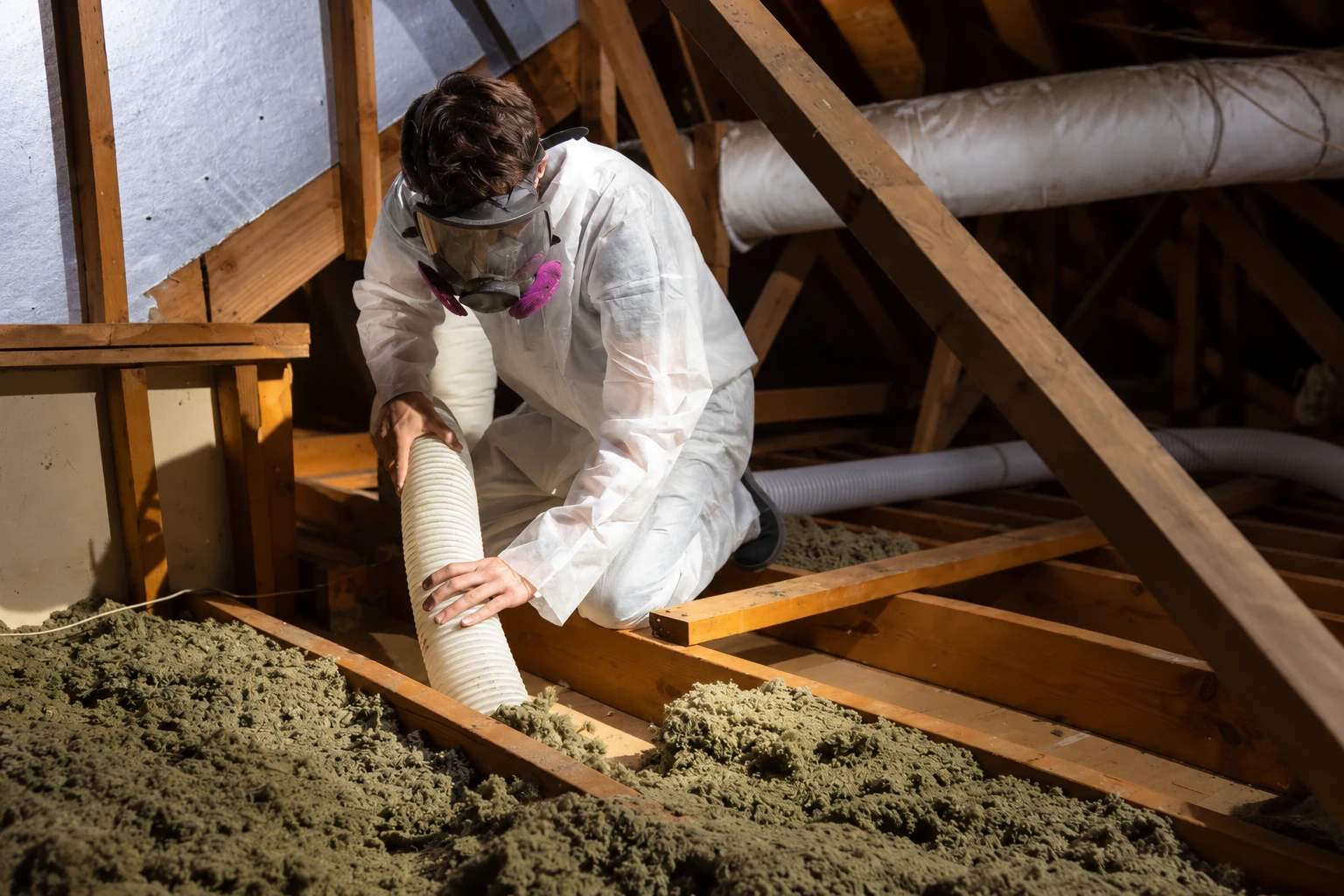
Many of the houses I look at in East Los Angeles are older stucco homes with low attics, a small hatch and, under a lot of them, a raised floor over a crawl space. The calls usually start with a room that won't cool down, a drafty bedroom, cold floors or a high power bill, and in an older house I check the attic first because that's usually where the gaps are and the insulation is thinnest.
What moves the price is mostly what's already up there: how many inches you have, whether old insulation is soaked or full of droppings and has to come out, how many gaps need sealing, how hard the space is to reach, and whether foam or loose fill suits your house. The schedule turns mostly on whether old material comes out first and whether the job needs a permit, and your written estimate spells out both for your house.
East Los Angeles isn't its own city. It's an unincorporated part of Los Angeles County, so the county, not a city hall, sets the building rules and runs the offices here, and that's who we check with for your job. We're based in South Pasadena and do the same work in Monterey Park, Montebello and Burbank.
I come out myself, climb into the attic or crawl space and see what's there before recommending anything, because the right material depends on what that space is already doing.
If the roof leaks or the old wiring needs attention, I'll tell you to fix that first, because new insulation laid over either problem just wastes your money.
I started this business in South Pasadena in 2023 after years on commercial insulation crews, and I brought that habit of doing each step in the right order to houses.
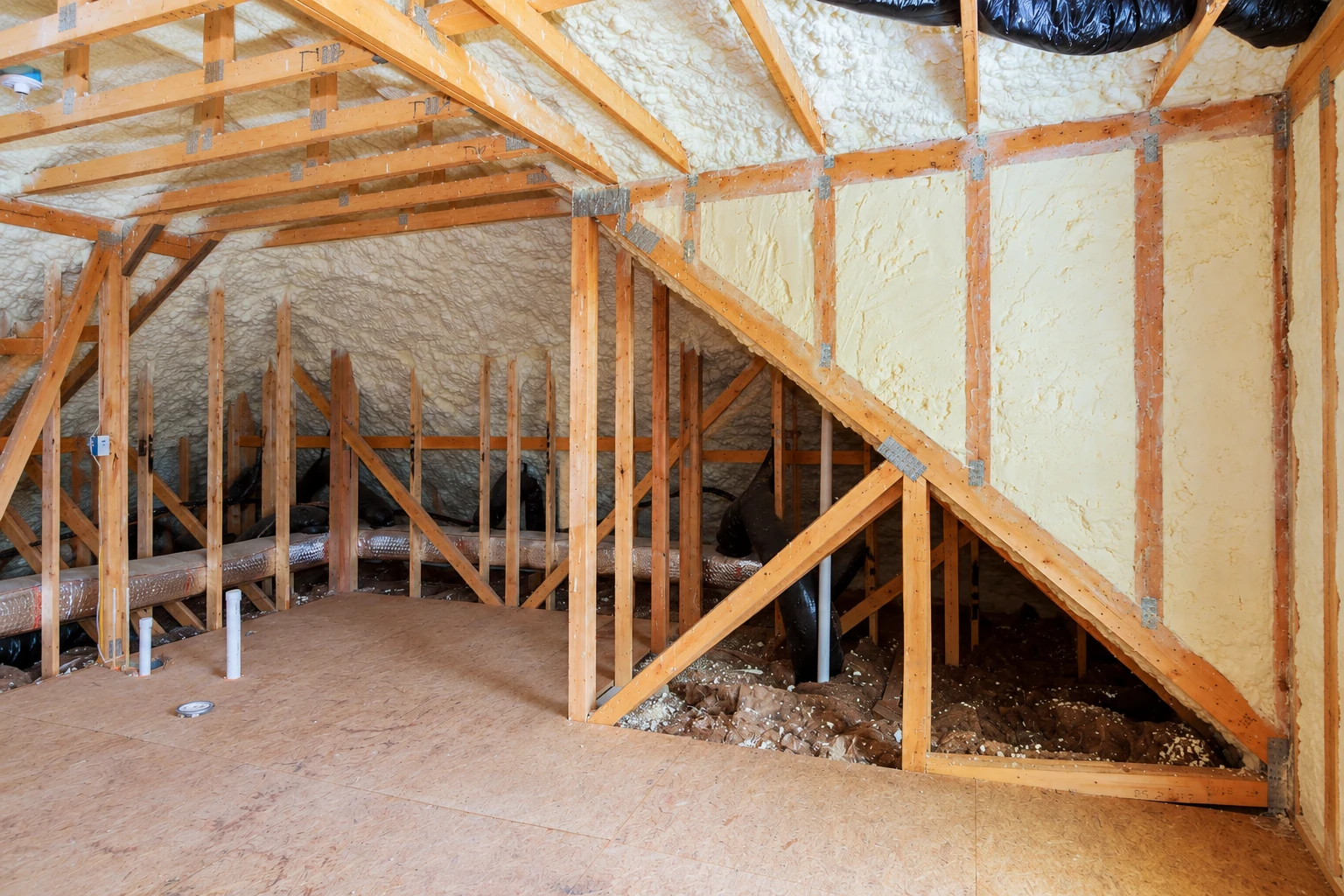
We spray foam where it earns its cost, mostly attics with ductwork running through them and rooms over garages, because it seals air and insulates in one pass.
Many attics we open here have a few inches of old material, deep in the middle and thin at the edges, so we even it out and keep the eave vents clear.
We blow loose fill through a hose into the low, tight attics many older houses here have, so our crew reaches the far corners without opening a ceiling.
When the whole house feels drafty, I look at the attic, walls and crawl space together and tell you which one matters most, so you fix that first.
Old insulation that was soaked by a roof leak or is full of droppings comes out before anything new goes in, because covering it over only buries the problem.
Houses here built on raised foundations often have cold floors over an open crawl space, so we insulate under the subfloor and seal the gaps where pipes and wires come through.
Many older stucco houses were built with empty wall cavities, so we fill them through small holes we patch afterward, rather than opening the walls up from inside.
Drafts usually come through more places than the attic, so we seal gaps around plumbing under sinks, along the wall between garage and house, and anywhere else you feel air moving.
Where a house here has a basement or a below-grade room, we insulate its walls with material that won't hold moisture against the framing, and seal the rim where air leaks in.
We use closed-cell foam where damp is the problem, like crawl spaces and below-grade walls, because this dense foam blocks moisture as well as air, though it costs more.
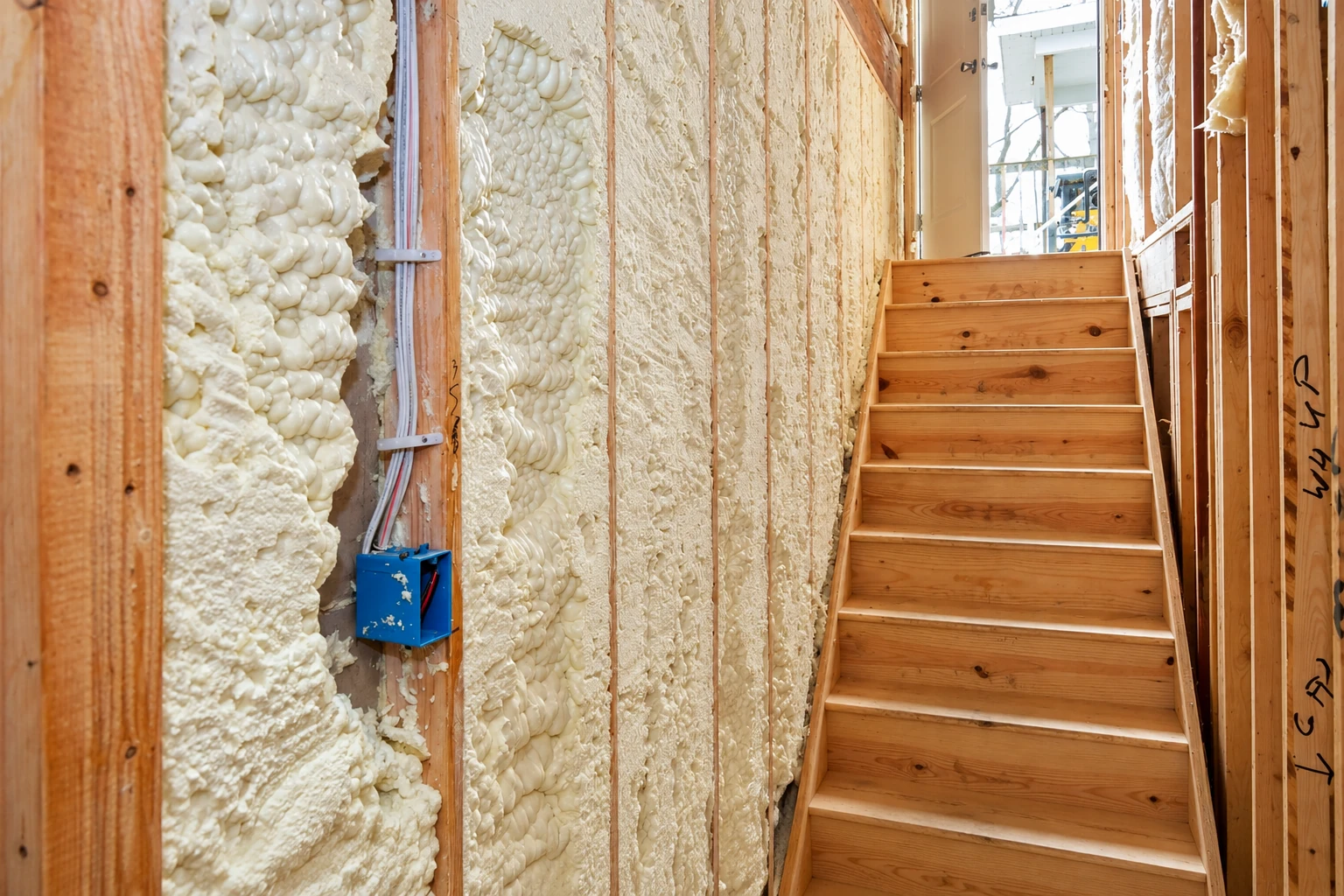
This softer, lighter foam suits roof decks and interior walls, where it seals air and quiets noise between rooms but doesn't need to stop water.
We insulate storefronts and small commercial buildings here, often with spray foam under metal or flat roofs, and plan the work around your business hours.
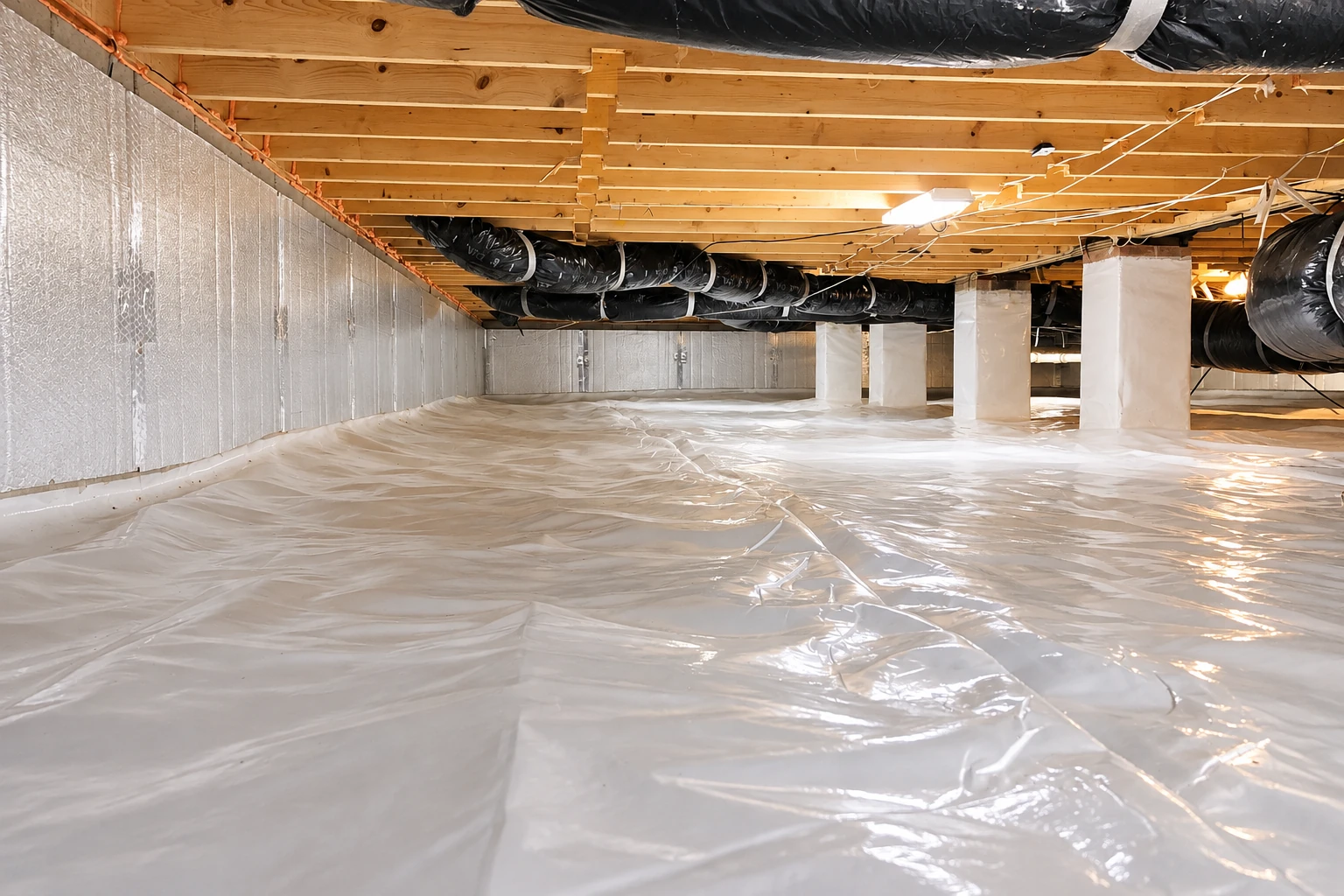
A plastic sheet over the dirt under a raised floor keeps ground moisture from rising into the framing, so we lay it with overlapped, taped seams and run it up the walls.
Some walls and ceilings need a vapor barrier, and one on the wrong side traps moisture, so I look at how your wall or ceiling is built before we choose one.
Before any insulation goes up, we seal around can lights, pipes, wiring holes and the hatch, because loose fill laid over open gaps ends up fighting the draft instead of stopping it.
Adding insulation to a finished older house means working with what's there, so we reach closed walls and floors from outside or below and disturb your living space as little as we can.
Send the form or call, and we'll reply within one business day to set a time. I come out, look at the space and give you a free written estimate, with no obligation to go ahead.
I put the work in writing so you can see what you're paying for and compare it fairly with other quotes before anyone climbs into your attic.
Our install crew does the work, and I come back to walk the finished attic or crawl space with you before we call the job done.
I'd rather raise a problem early than have it surprise you later, so anything I find up there, from droppings to a buried vent, I'll show you first.
Here are straight answers to what homeowners usually ask about permits, licenses, materials and staying home while we work.
LA County Public Works issues building permits in East Los Angeles, and its East Los Angeles Building and Safety Office handles this area. The county's permit list covers alterations, repairs and mechanical systems but doesn't name insulation, so we ask that office about your job. When a permit is needed, we file the application and set up the inspection.
Yes, for most insulation jobs. The state licensing board requires a license when a project needs a building permit, uses any additional workers, or totals $1,000 or more in labor and materials, and a contractor must hold that license before submitting a bid. We're licensed and insured.
Sealing the gaps and topping up with blown-in loose fill is usually the better value. Foam costs more but seals air while it insulates, which pays off mainly when the ductwork runs through the attic and needs to sit inside the sealed space. I'll tell you which fits once I've seen your attic.
For blown-in work and air sealing, usually not, since our crew works in the attic and you can stay home. Spray foam is different. You, your kids and your pets stay out until the foam maker's re-entry time, when it's safe to come back inside, and I'll tell you that time before we start.
These are the cities with their own page on our site, and we work in others around South Pasadena too, so call or send the form if yours isn't listed.
Call (626) 597-0202 any day until 11 PM, or use the form, and I'll come see how many inches are already up there before you decide anything.