Insulation that got wet
After a roof leak, wet insulation packs down and can hold moisture against the framing. Once the roof is fixed, the old layer usually needs to come out, not get buried.
If the old insulation in your attic is soaked, smoky or full of droppings, we take it out carefully so new insulation starts clean.
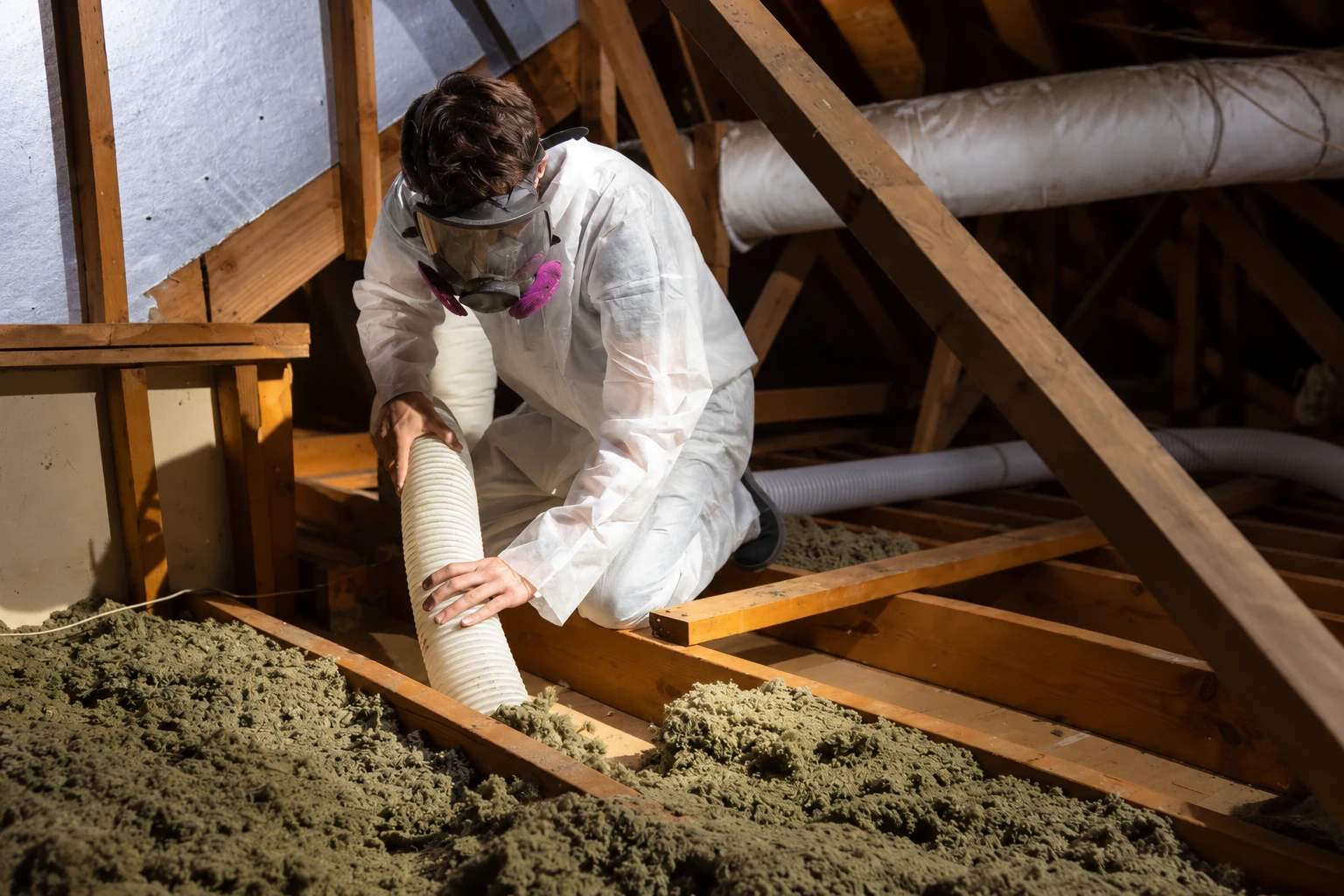
Insulation removal takes old, damaged insulation out of your attic so the space can be checked, sealed and filled again. At E&J South Pasadena Spray Foam Insulation, we do this work for homes in South Pasadena and the cities around it.
Most calls start with a smell in the hallway, a stain on the ceiling, or an upstairs that stays hot no matter what. When I get up there, the old material is often flattened, wet or nested in. The price mostly turns on the size of the attic, how much material is up there and what's mixed into it. The schedule turns on what I find, whether the city wants a permit, and whether any of it needs a specialist before we start. Your estimate puts all of that in writing after I've seen the space.
We're licensed and insured, and since California's license board has its own classification for contractors who install insulation, it's a fair question to ask anyone you're comparing.
I spent my early working years on large commercial insulation crews, and I started this business in South Pasadena in 2023 to bring that same order and care to people's homes.
If the roof is leaking or old wiring needs attention, I'll tell you to fix that first, because new insulation laid over a leak just soaks up your money all over again.
Our install crew does the work, and I walk the finished job with you before we call it done, so you can see the cleared and sealed space for yourself.
The first thing I do is look hard at the attic, because what's under and inside the old insulation decides the job. If I see signs of rodents or a pebbly fill that could be vermiculite, we stop and talk with you before anything gets disturbed. Some of that work belongs with a specialist, and I'd rather tell you so up front than surprise you halfway through.
When the material is clear to remove, our crew protects the path through your house and takes the old insulation out so we can see the framing, the wiring and any old water stains. With the attic bare, it's the right time for air sealing, which means closing the gaps around can lights, pipes and the hatch, because new insulation laid over open gaps just fights a draft. We also keep the eave vents clear so the attic can breathe and moisture doesn't collect in the wood.
Then we talk about what goes back in. Foam costs more and seals air while it insulates, but in most attics, sealing the gaps and topping up with blown-in, loose fill we blow through a hose, is the better value unless your ductwork runs up there. Either way, it goes in evenly out to the edges and not just deep in the middle. If you also have cold floors or drafty rooms, I can look at crawl space insulation or wall insulation on the same visit.
After a roof leak, wet insulation packs down and can hold moisture against the framing. Once the roof is fixed, the old layer usually needs to come out, not get buried.
Rodents leave insulation flattened and soiled, and the smell often reaches the rooms below. The old material usually has to come out before the attic is sealed and filled again.
Insulation that has been through a fire or heavy smoke holds the odor long after the repair. Taking it out is usually the only way to get that smell out of the house.
If you're switching to foam, or the old layer is thin and patchy, clearing it out lets us seal the gaps first and then lay the new material evenly across the attic.
Send the form and we'll reply within one business day to set a time. I'll come out, look at the attic, and put the work in writing for free, with no obligation.
The square footage of the house or the attic helps me plan the visit, and so does knowing whether the attic is reached through a hatch, a pull-down ladder or the room over the garage.
A few photos taken from the hatch show me what kind of material is up there and how deep it sits, which helps me know what to look for on site.
Droppings, a musty smell or ceiling stains change how we plan the job. If you tell us up front, nobody disturbs anything until we've talked it through with you.
These photos show the kinds of materials, attic layouts and finished coverage we can talk through when you're deciding what goes back in.
These are the questions homeowners ask most often before old insulation comes out, from what it costs to what the city requires.
Attic insulation removal in the Los Angeles area usually costs about $2,000 to $6,000 per job, and that's the going rate around here, not our quote. Where your attic falls depends on its size, how much material is up there, and whether droppings or water damage call for more careful handling. Your written estimate will show where your job lands.
Leave it undisturbed, because federal guidance says to treat vermiculite as if it contains asbestos. It's a pebble-like, pour-in fill, usually gray-brown or silver-gold. The regional air quality district also requires an asbestos survey by a Cal/OSHA certified asbestos consultant before renovation and demolition work, so we leave it in place and point you to a trained specialist.
Not by simply vacuuming or sweeping, because the CDC advises against doing that with rodent urine, droppings or nesting material, since it can put tiny droplets carrying viruses into the air. If we find signs of rodents, we plan how the soiled insulation will be handled before anyone starts, and I'll tell you if that part belongs with a specialist.
It can. The state's energy manual says attic insulation and air sealing requirements for vented attics apply when the ceiling over heated or cooled rooms is altered, and replacing or adding attic insulation can count as altering that ceiling. That may add steps to your plan and budget, so I check what applies to your house before the estimate is final.
The city's permit list doesn't settle it. The South Pasadena Building Division issues permits for putting up, altering, demolishing and moving buildings, and insulation removal isn't named. We check with that office for your job. When a permit is needed, we take care of the application and set up the inspection, so expect a visit from the city.
In most of South Pasadena, construction runs 8 a.m. to 7 p.m. on weekdays, 9 a.m. to 7 p.m. on Saturdays, and 10 a.m. to 6 p.m. on Sundays and city-recognized holidays, though Southwest Monterey Hills has its own rules. The city also requires contractors to hold a South Pasadena business license, so it's worth asking anyone you hire.
We're open every day until 11 PM, so you can call after work or on the weekend about what you've found up there.