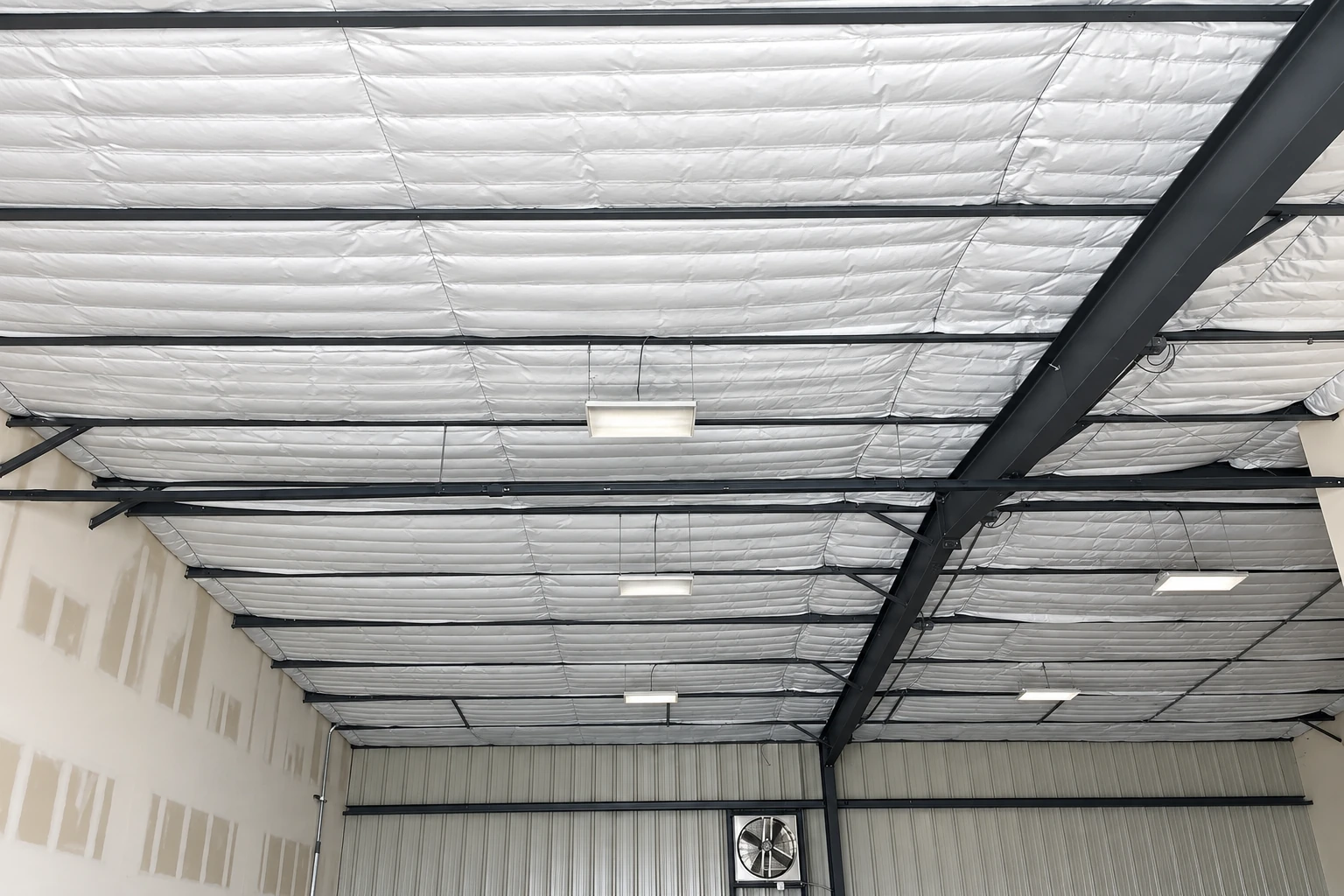
Spray foam insulation
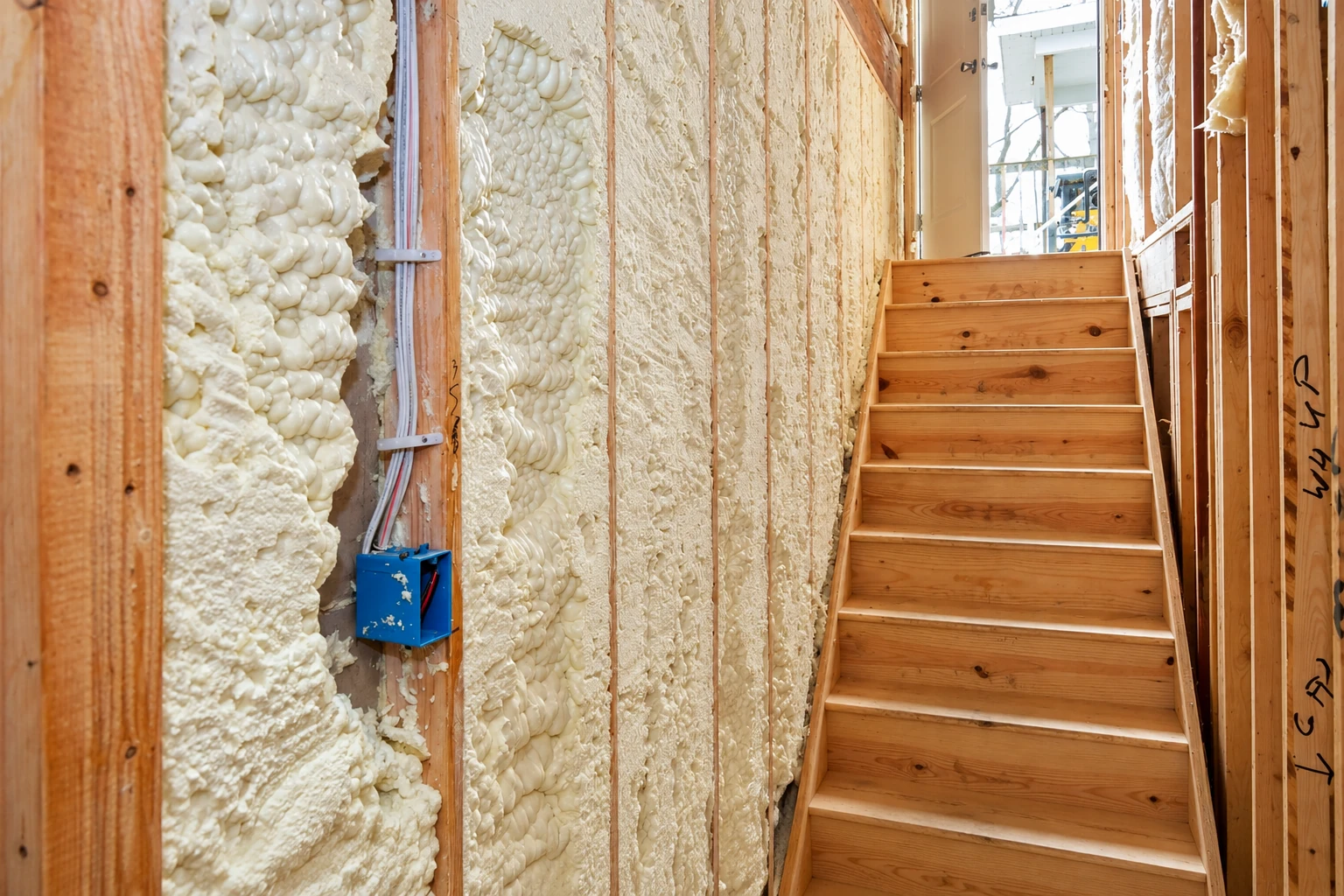
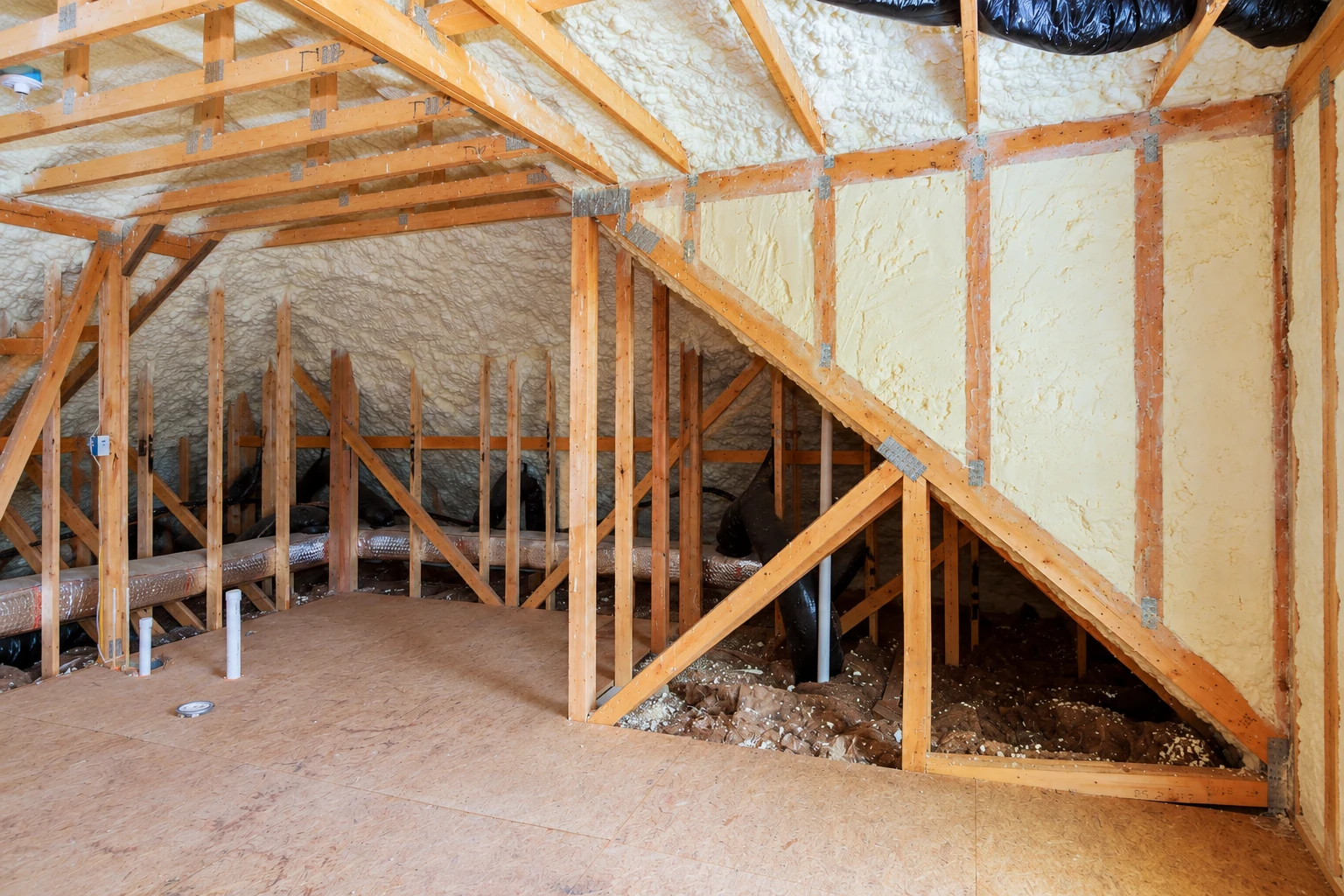
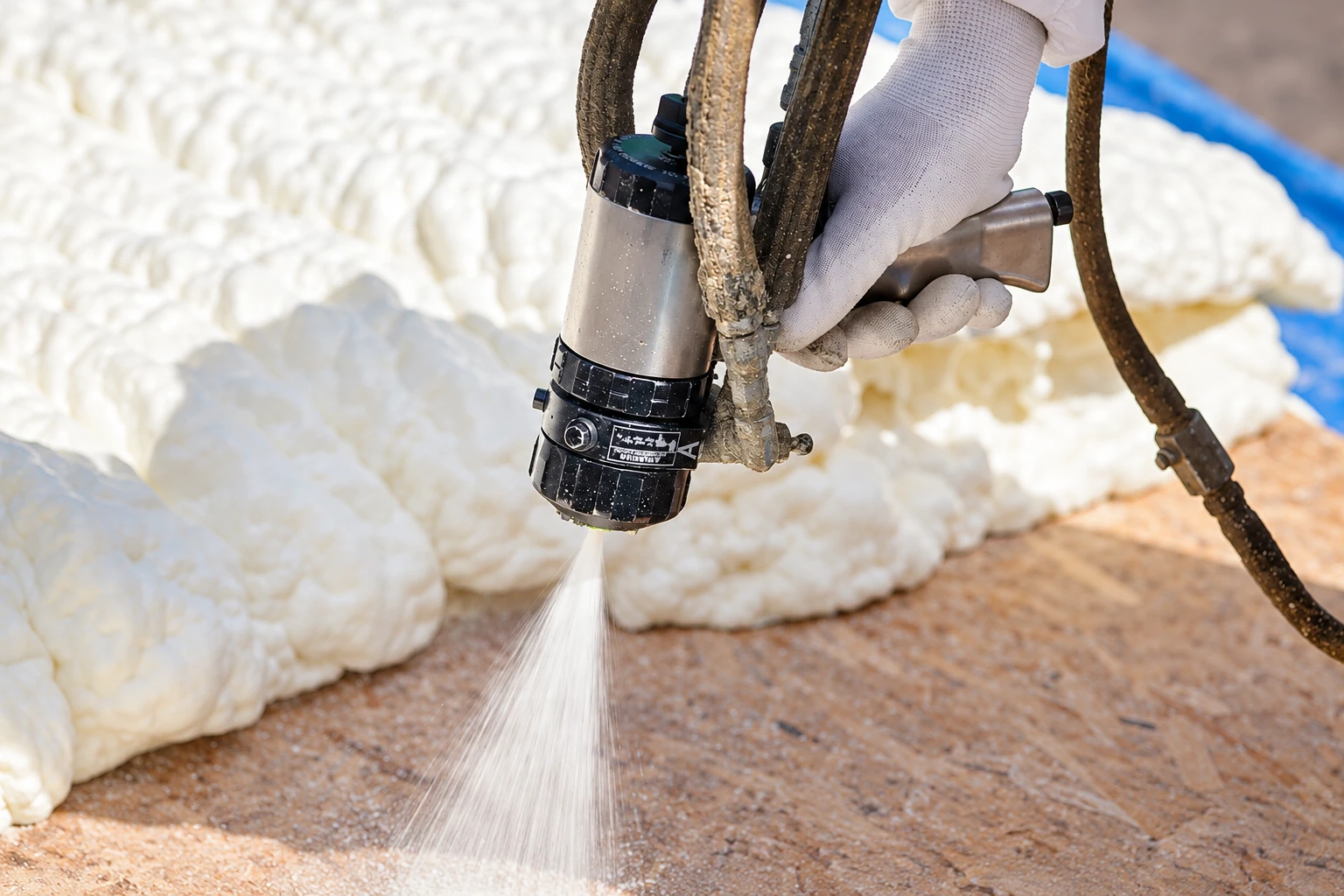
Spray foam goes on wet and expands into cracks, so it suits rooflines, garage ceilings and the room over the garage, where batts usually leave gaps behind.
E&J South Pasadena Spray Foam Insulation is an insulation contractor working in Burbank homes. We seal drafty attics, insulate rooms over the garage and crawl spaces, and add spray foam or blown-in insulation where your house is losing heat.
Burbank calls usually sound like the ones we get at home in South Pasadena, about an upstairs that stays hot, a drafty room over the garage, cold floors above a crawl space or a power bill that keeps creeping up. Many of these houses are older, and their attics have had a few rounds of work over the years, so before I talk about materials I go up and see how many inches are there and what shape they're in.
The price moves with what I find, mainly whether old insulation has to come out, how many gaps need sealing around lights, pipes and the hatch, how easy the space is to reach, and whether foam or loose fill makes sense. The schedule turns on the same things, plus any roof or wiring repair that should happen first, and your written estimate gives you your own figure.
We do the same work next door in Glendale and over in Pasadena and San Marino. Each city has its own building office and rules, so we check them for the city your home is in.
We're licensed and insured, so the state's contractor license rule, covered in the questions below, is settled before anyone climbs into your attic.
If the roof leaks or the wiring up there is old, I'll tell you to have it fixed first, because new insulation laid over either problem just wastes your money.
When we add depth, we keep the eave vents clear so the attic can still breathe. Buried vents trap moisture, and it shows up later as damp or stained framing.
Spray foam goes on wet and expands into cracks, so it suits rooflines, garage ceilings and the room over the garage, where batts usually leave gaps behind.
I measure the inches already up there and check them for water stains and droppings. Then we bring the attic to an even depth all the way out to the edges.
Blown-in insulation is loose fill blown through a hose, and it's the usual way to top up an open attic over older batts, as long as those batts are dry and clean.
For a whole house, I look at the attic, walls and crawl space together and tell you which one is costing you the most comfort, so your money goes there first.
When old insulation has been soaked by a roof leak or fouled by rodents, we bag it and vacuum it out. Covering it only hides the problem and keeps the smell.
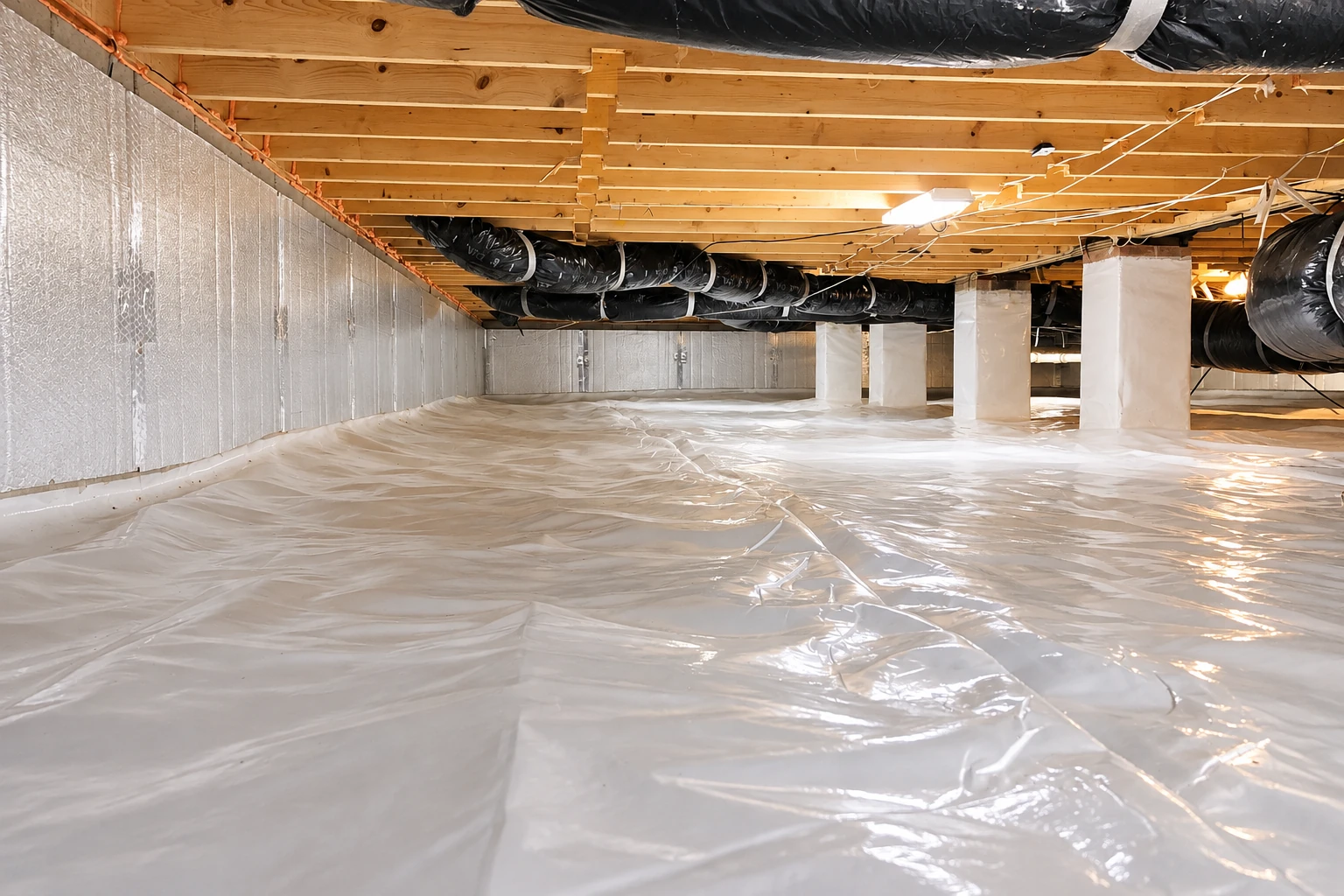
Cold floors over a crawl space usually mean bare framing underneath. We insulate between the floor joists and seal the gaps around pipes, so the rooms above feel warmer underfoot.
Closed walls in older houses are often empty or only half full. We drill small holes, blow the cavities full and patch them, so the room doesn't have to be opened up.
We seal gaps around outlets, plumbing, window trim and the wall shared with the garage, because insulation slows heat but won't stop moving air. Sealing first lets it work.
Where a house has a basement, we insulate the walls and the rim, the band of framing sitting on the foundation, so the room stops feeling cold and clammy.
Closed-cell foam is dense foam that also blocks moisture, so we use it where dampness is part of the problem, such as a crawl space or a wall against soil.
Open-cell foam is softer and lighter, and it fills rooflines and odd cavities well while sealing air. It's usually the foam we suggest when moisture isn't a concern.
I started on commercial crews doing offices, warehouses and metal buildings, so we handle small commercial spaces and rental properties too, with the work planned around your tenants' hours.
We lay a heavy plastic sheet over the crawl space dirt to keep ground moisture out of the framing, overlapping and taping the seams and running it up the walls.
We install vapor barriers in walls, floors and attics where damp air would otherwise reach cold surfaces. Which side it goes on matters, so I check how the space is built first.
We seal the attic floor around can lights, pipes, wiring holes and the hatch before any insulation goes down. Skip that step and the new layer just fights a draft.
Retrofit insulation is adding insulation to a house that's already built and lived in. We work through the attic, the crawl space and small wall openings, so you don't lose rooms to construction.
Send the form and we'll reply within one business day to set a time. I come out, look at the attic or crawl space, and give you a written estimate, free and with no obligation.
Your estimate lists what's up there now, what should come out, what gets sealed and what goes in, so you can compare it fairly with another bid.
Our install crew does the work, and I walk the finished job with you before we call it done. The work is backed by our satisfaction guarantee.
We take calls from 8 AM on weekdays and 7 AM on weekends, until 11 PM every day, so you can reach us after work or on a Saturday.
These are the questions Burbank homeowners usually ask before hiring an insulation contractor, from licensing rules to how long you'll be out of the house.
Yes, in nearly every case. The state licensing board requires a license whenever a job needs a building permit, uses any hired workers, or costs $1,000 or more in labor and materials, and that rule covers work in Burbank. Since insulation is done by a crew, it's worth asking any contractor for their license before they start.
Only if the job is truly small. The board's exemption applies when no building permit is needed, no employees do the work, and labor, materials and every other cost add up to less than $1,000, a line that sat at $500 until 2025. A bigger job can't be split into smaller contracts to get under it.
For blown-in insulation and air sealing, you can usually stay home while our crew works. Spray foam is different, because it comes with a re-entry time, the wait before you, the kids and the pets can come back inside. I'll tell you how long that is when I write the estimate, so you can plan around it.
For most attics, sealing the gaps and topping up with blown-in insulation is the better value. Foam costs more but seals air while it insulates, so I usually suggest it when your ductwork runs through the attic, since sealing that space protects the ducts as well as the rooms below.
These cities have their own pages, and we work in others around South Pasadena as well. If yours isn't listed, call or send the form and we'll tell you.
Call (626) 597-0202 or send the form, and you'll know how many inches are up there and whether they're worth keeping.