
Spray foam insulation
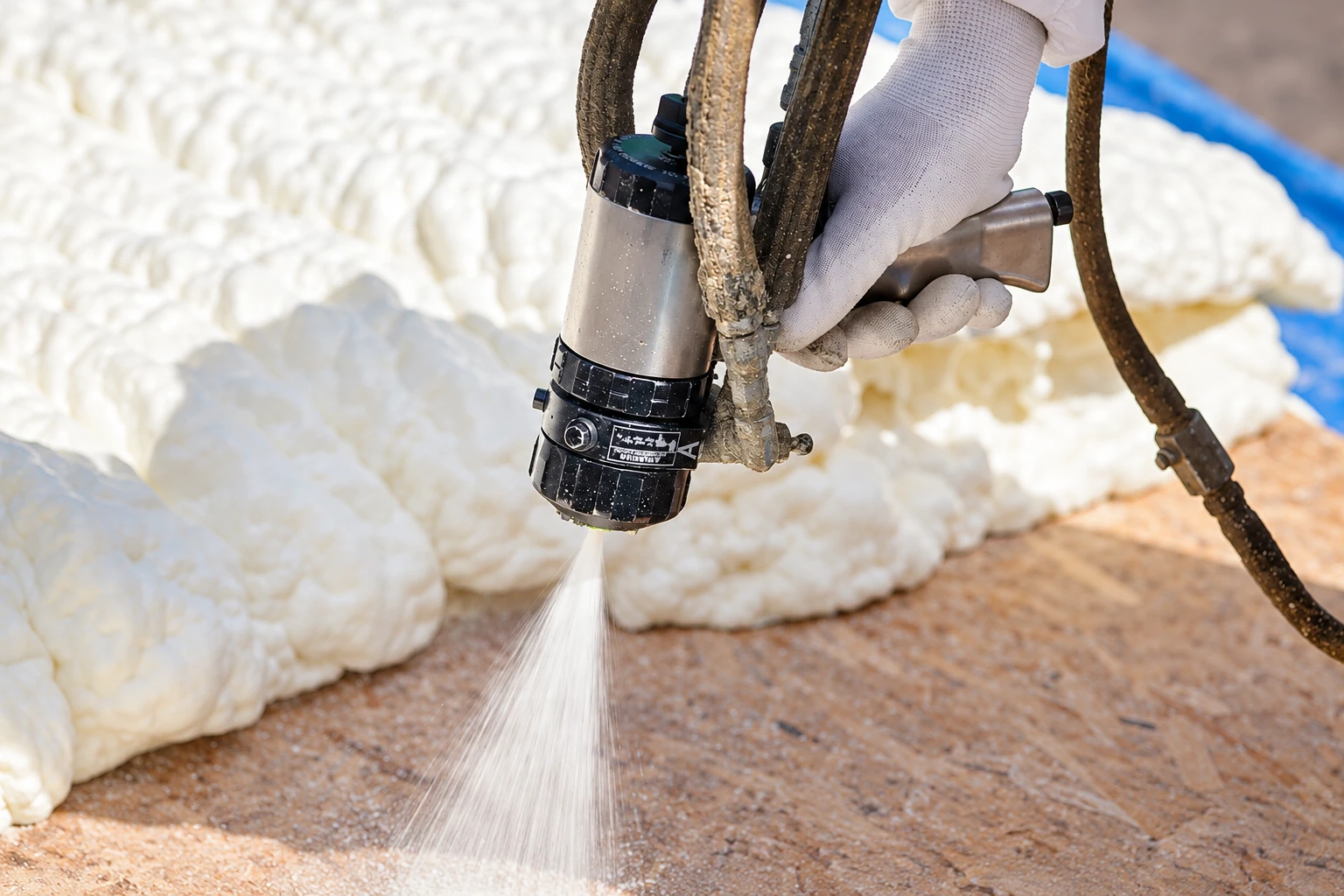
We spray foam into odd framing and hard-to-reach gaps that rolled insulation leaves open, and before we start we tell you when it's safe to come back inside.
E&J South Pasadena Spray Foam Insulation is an insulation contractor based in South Pasadena that insulates Rosemead homes, from attics and crawl spaces to walls, with blown-in insulation, spray foam and air sealing.
Many of the Rosemead homes we're called to are older single-story houses with low, tight attics. Some have a room added at the back or a room over the garage that never feels like the rest of the house. Calls usually start with a drafty bedroom, cold floors, a back room that runs hot or a power bill that keeps climbing.
Two things move the price and the schedule. One is what's already up there. The other is what has to happen before new insulation goes in, like pulling out old material or sealing gaps. I look at the space first and put the work in writing so you can see what you're paying for and compare it fairly.
We're based in South Pasadena and do the same work in Montebello and Monterey Park, where we see many of the same kinds of houses.
I spend the visit in your attic or crawl space before I suggest any material, because the inches already up there and their condition decide what your house needs.
New insulation over a roof leak or old wiring just wastes your money. If I find either one, I'll tell you to fix it first rather than cover it up.
Each city has its own building office and rules, so for a Rosemead home we check with Rosemead's Building Department and don't assume the rules match South Pasadena's.
We spray foam into odd framing and hard-to-reach gaps that rolled insulation leaves open, and before we start we tell you when it's safe to come back inside.
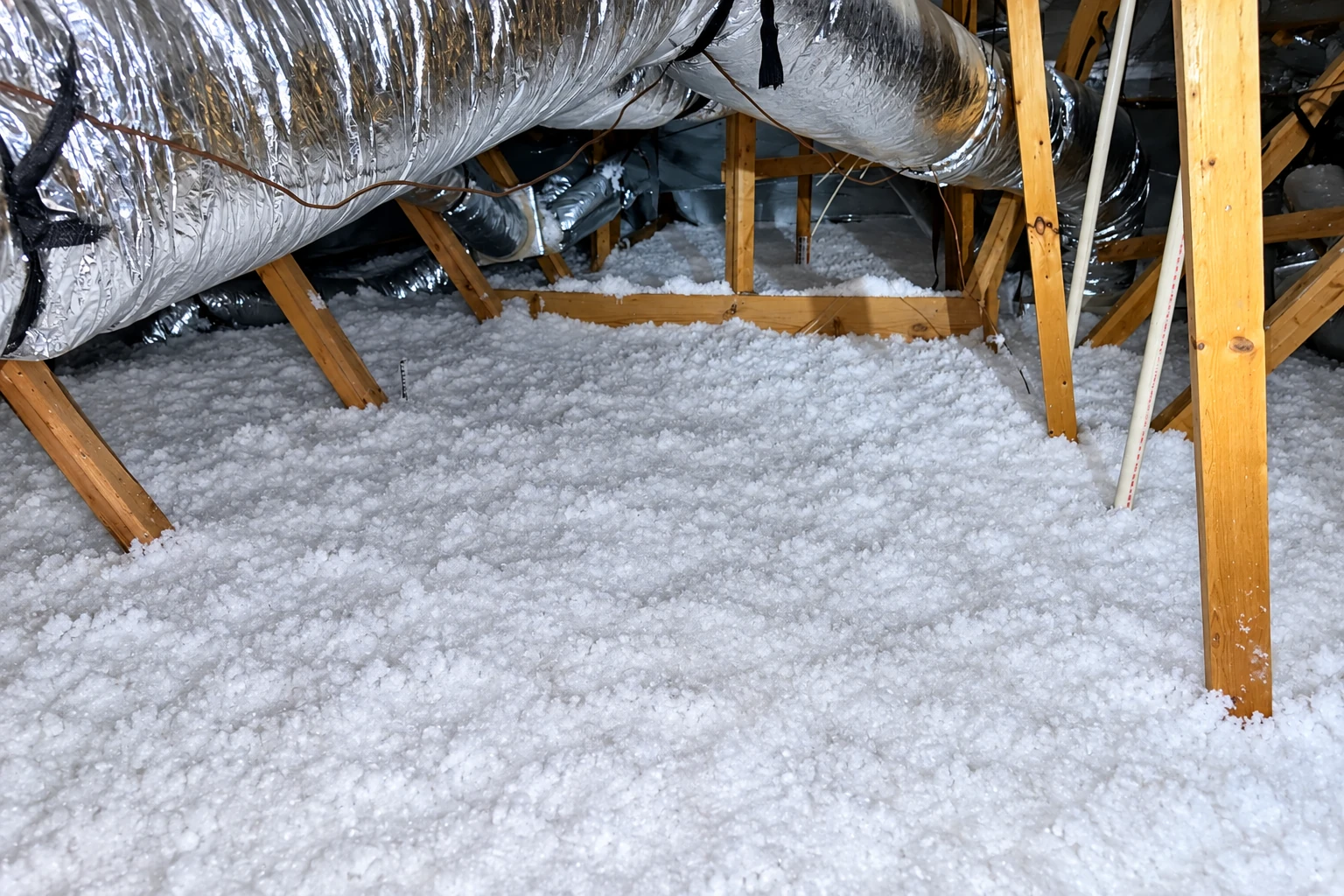
We measure how many inches are up there now, then fill the edges as fully as the middle and keep the eave vents clear so a low attic can still breathe.
Loose fill blown through a hose is usually the best value for topping up an older attic, once the gaps around lights, pipes and the hatch are sealed.
If several rooms feel drafty or the power bill keeps climbing, I look at the attic, walls and crawl space together and tell you which to do first and why.
When old insulation is soaked, flattened or full of droppings, we take it out and clean up before anything new goes in. Covering it only keeps the problem.
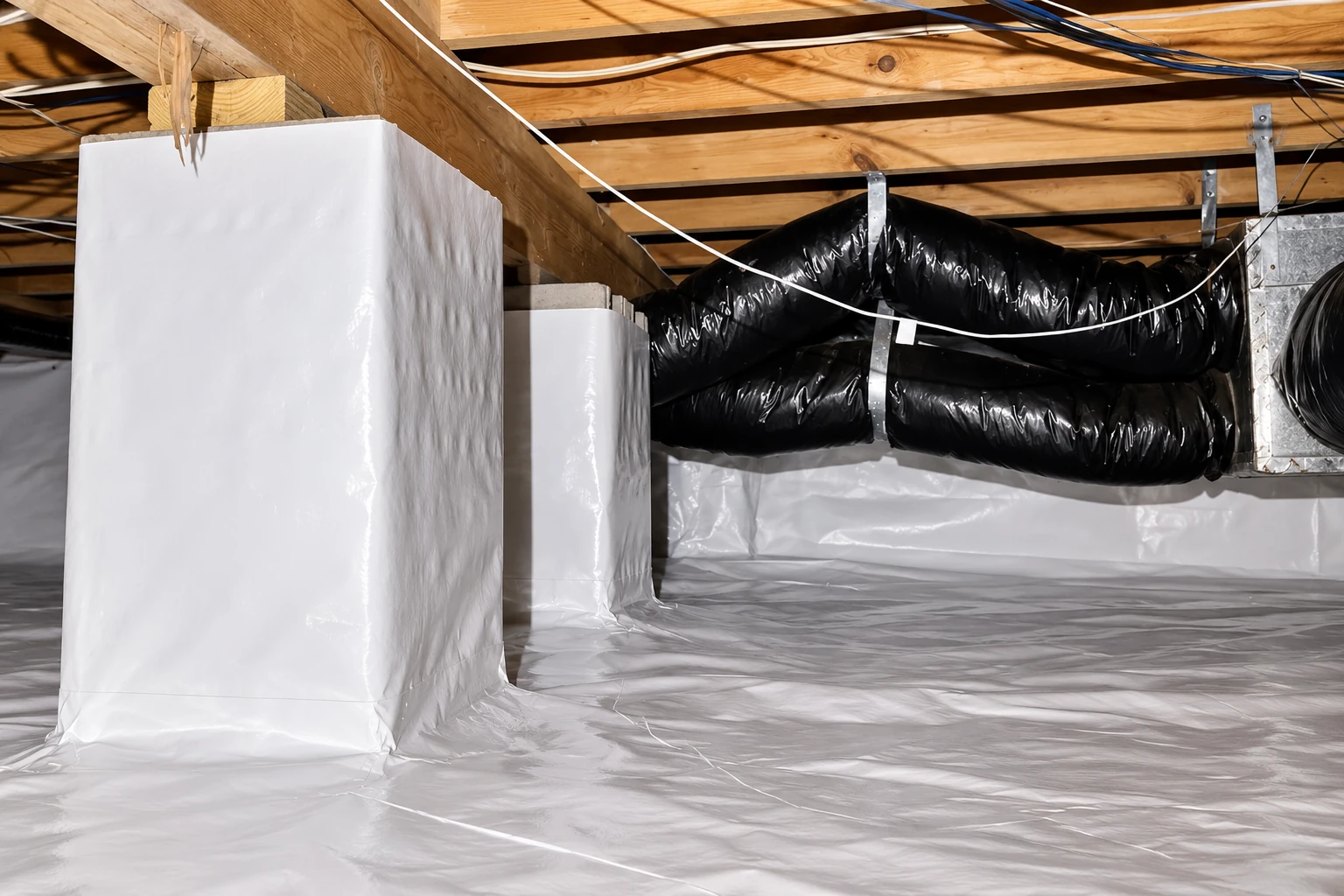
Cold floors in a raised-floor house usually trace back to the crawl space, so we check for damp ground and fallen material, then insulate under the floor.
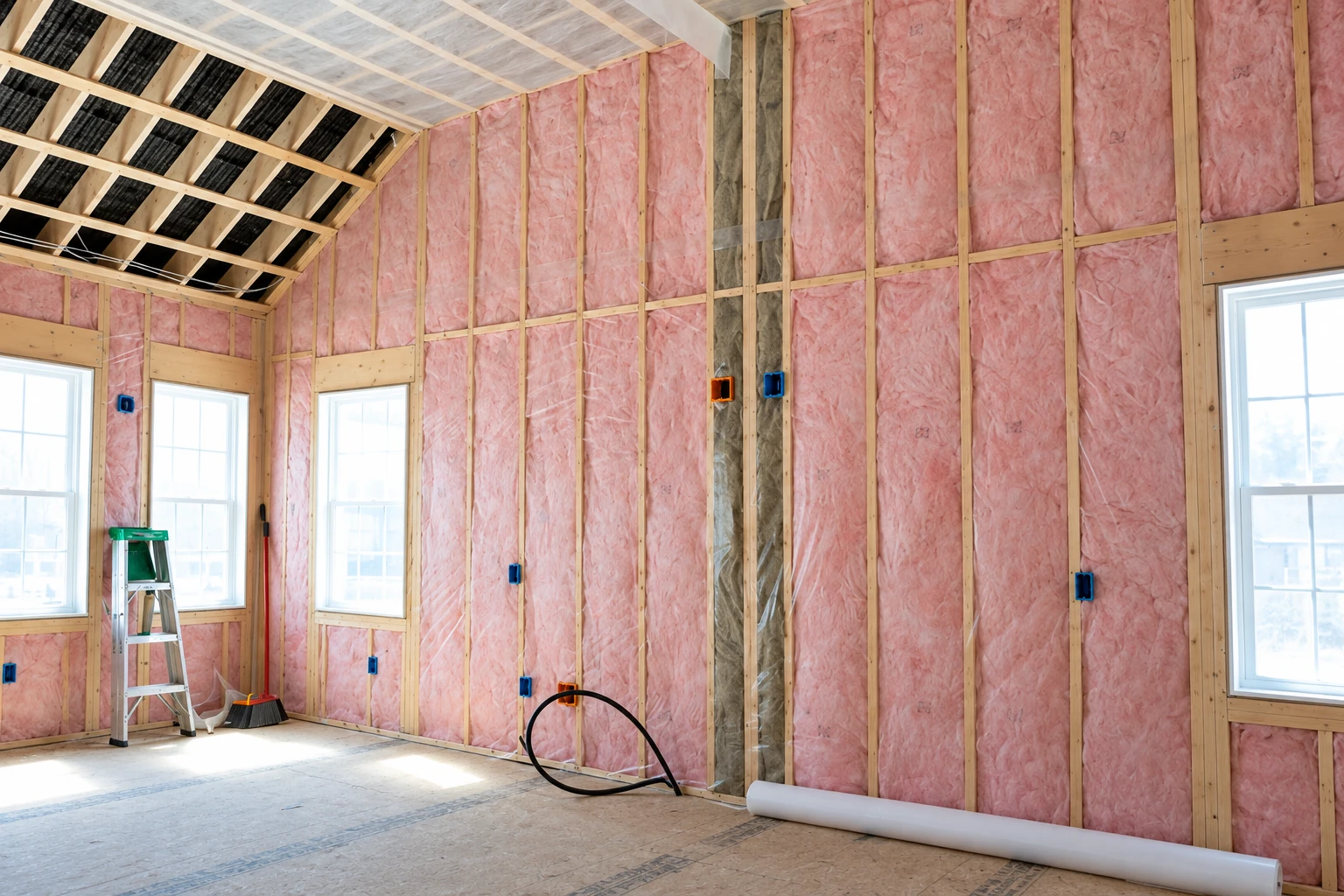
Older houses often have empty or thin wall cavities. We can fill them through small holes we patch, or during a remodel while the walls are open.
We close the gaps around pipes, wires, vents and doors that let outside air in, so a drafty room settles down and any insulation you add can do its job.
Basements are less common around here. Where a house has one, we insulate the walls with foam that won't hold moisture against the concrete.
This dense foam blocks moisture as well as heat, so we use it where damp is a risk, like crawl space walls, and skip it where a cheaper material does the job.
This soft, light foam seals air and dampens noise along a roof line or in the room over the garage, and we keep it out of spots that get damp.
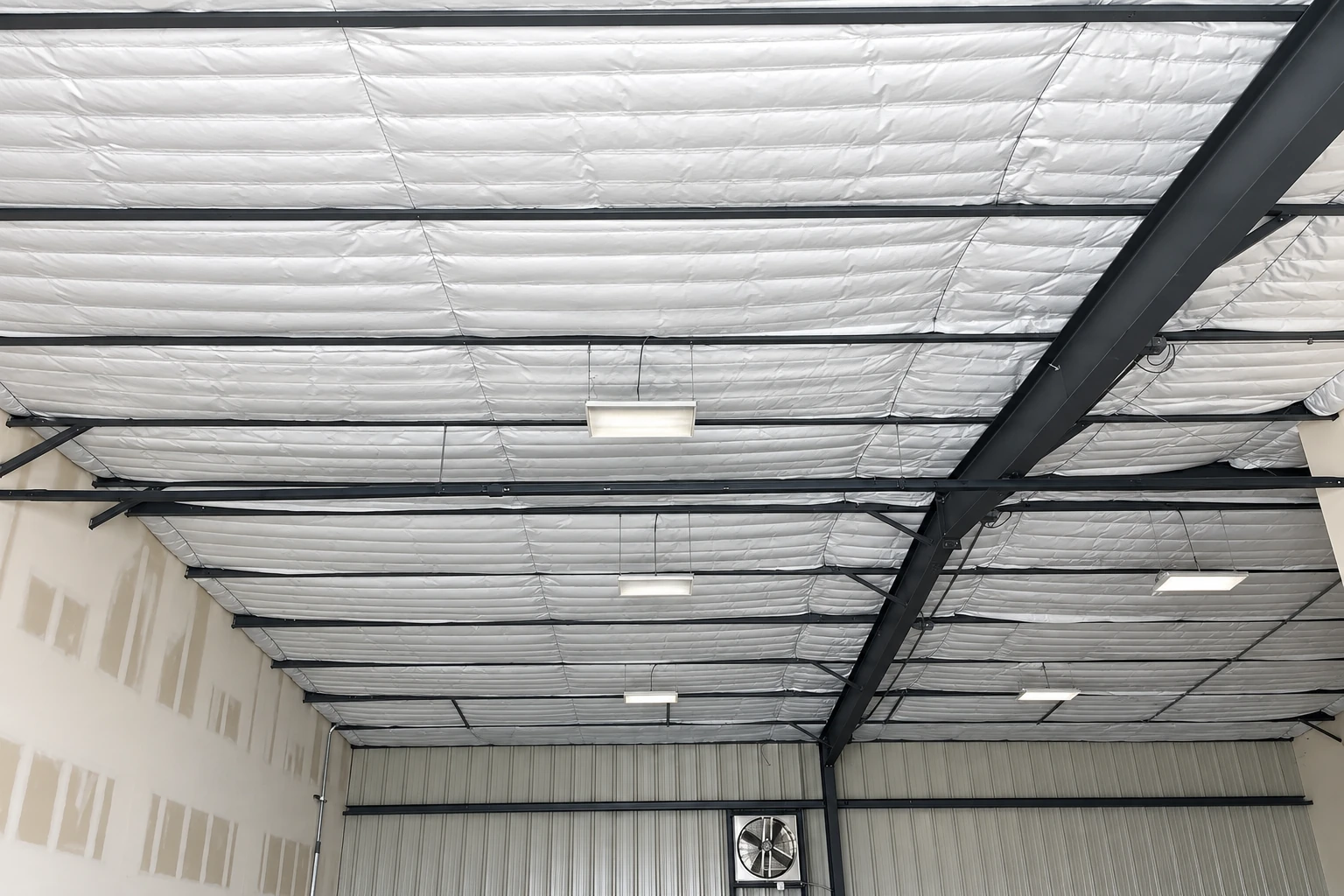
My early years were on commercial crews in offices, warehouses and metal buildings, so we take on shops, offices and rental buildings for owners and property managers.
A plastic sheet over the dirt under the house helps keep ground moisture out of the floor framing and insulation, and we overlap and tape the seams so it stays put.
In walls and basements we add a vapor barrier only where the space calls for one, because a barrier in the wrong place can trap moisture instead of stopping it.
Before any insulation goes in, we seal around can lights, pipes, wires and the attic hatch, because those gaps pull attic air into your rooms and undercut whatever goes on top.
For a lived-in older house, we add insulation where it's missing, working from the attic, crawl space or small wall openings so your finished rooms stay intact.
Send the form or call, and we'll reply within one business day to set a time for me to look at your attic or crawl space. The estimate is free, done on site and comes with no obligation.
You get the scope, the materials and anything that should be fixed first on paper, so you can compare it fairly and know what you're paying for.
We're licensed and insured, and the work is backed by our satisfaction guarantee. I'd rather you know that before anyone climbs into your attic.
Our install crew does the work, and I walk the finished job with you before we call it done, so you can see what went in and ask about anything.
These are the questions I hear most from Rosemead homeowners about permits, cost and how long the crew will be in your attic.
Ask the city's Building and Safety office at Rosemead City Hall, because the city issues permits and decides what needs one. You can reach City Hall at (626) 569-2100. The city reviews plans before work starts and checks the job with on-site inspections. If your job needs a permit, we take care of the application and set up the inspection.
The cost depends on how much insulation is up there now, whether old material has to come out and which material you pick, so I give you a written figure after I've looked. Foam costs more and seals air while it insulates. Sealing the gaps and topping up loose fill is usually the better value, unless your ductwork runs through the attic.
The crew's time in your attic depends on its size and how much has to come out or be sealed first, and I can tell you once I've seen it. With blown-in loose fill, you can usually stay home. With spray foam, you, the kids and the pets stay out until the re-entry time, when it's safe to come back in.
Each of these cities has its own page on our site. If your city isn't listed, call or send the form and ask, because we work in other cities around South Pasadena too.
We take calls every day until 11 PM, so call (626) 597-0202 or use the form whenever it suits you.